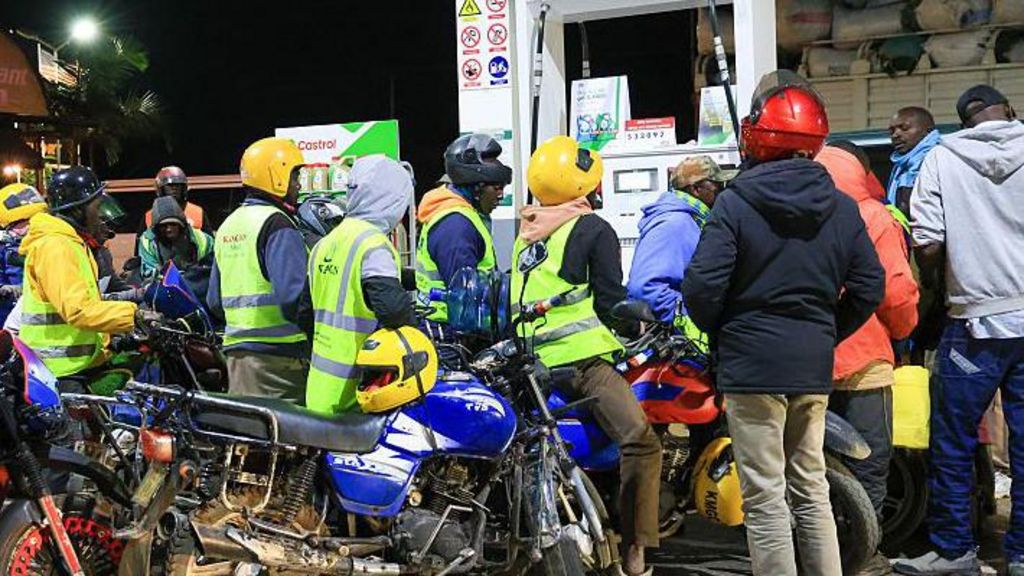
Against the backdrop of escalating geopolitical tensions in the Middle East that have roiled global energy markets, Kenya has implemented one of its sharpest ever increases in petroleum prices, even after the government rolled out a temporary fuel tax cut to soften consumer impact. The East African nation’s Energy and Petroleum Regulatory Authority (Epra) announced the new price adjustments in its monthly review, raising diesel costs by a historic 40 Kenya shillings to hit 206 shillings (approximately $1.60) per litre. Petrol prices saw a 28-shilling uptick, bringing it to the same 206-shilling per litre benchmark. These new rates will remain in effect until the next scheduled pricing review on 14 May.
Regulators attribute the massive price jump to skyrocketing global crude oil costs and elevated shipping expenses, impacts that outstripped the government’s recent reduction in value-added tax on fuel from 16% to 13%. The tax cut is a temporary measure set to expire in July, part of a broader continent-wide trend of African nations rolling out short-term relief to buffer consumers from global price volatility. Even before the new pricing took effect, reports of widespread fuel shortages had emerged across multiple regions of Kenya. While the Kenyan government maintains that national fuel stockpiles remain adequate, it has accused independent fuel suppliers of deliberately hoarding inventories to exacerbate supply gaps and drive up profits.
The shortage reports have been further complicated by an ongoing national controversy surrounding a controversial, off-contract fuel import shipment that arrived last month. The consignment, arranged outside of official government-to-government supply agreements, was purchased at a far higher cost than standard market rates and has been flagged for potential substandard quality. Public anger has boiled over amid circulating reports that the questionable fuel was already blended into official government storage stocks and released into the domestic market, spurring widespread demands for transparent accountability from senior energy sector leaders.
Government officials initially stated that they had canceled the controversial shipment over quality and cost concerns, and issued an official ban prohibiting any domestic marketers from distributing the fuel. However, the scandal has already triggered significant political upheaval: multiple senior energy officials have been arrested, and others have resigned from their posts, with a formal investigation into the affair still ongoing. In its latest statement Wednesday, Epra moved to clarify that the cost of the disputed consignment was not factored into the calculation of the new round of fuel price increases.
The root cause of Kenya’s domestic fuel price shock traces back to the ongoing regional conflict between the United States, Israel and Iran that erupted on 28 February, which has upended global energy supply chains. Although a conditional two-week ceasefire was agreed to last Wednesday – a deal that includes a provision to reopen the Strait of Hormuz, the world’s most critical chokepoint for global oil and gas maritime shipments – persistent fears remain that the global energy crisis will worsen in the coming weeks. Commercial shipments through the strategic strait have remained largely halted since the conflict began, creating massive supply bottlenecks that have driven up crude prices worldwide.
In response to the unfolding crisis, governments across the globe and across Africa have implemented a range of emergency policy measures to shield consumers from sudden price hikes. Beyond Kenya’s VAT cut, South Africa announced a one-month reduction to its national fuel levy two weeks ago to cap retail pump prices. Several other African nations including Zambia, Namibia and Ghana have rolled out similar tax relief measures, while harder-hit economies have taken more drastic steps: South Sudan has implemented mandatory electricity rationing to cut domestic energy consumption, and Ethiopia has reallocated limited fuel supplies to prioritize critical economic sectors. As the ceasefire holds for the moment, markets and consumers across Africa are closely watching developments in the Middle East to see if energy prices will stabilize in the weeks ahead.