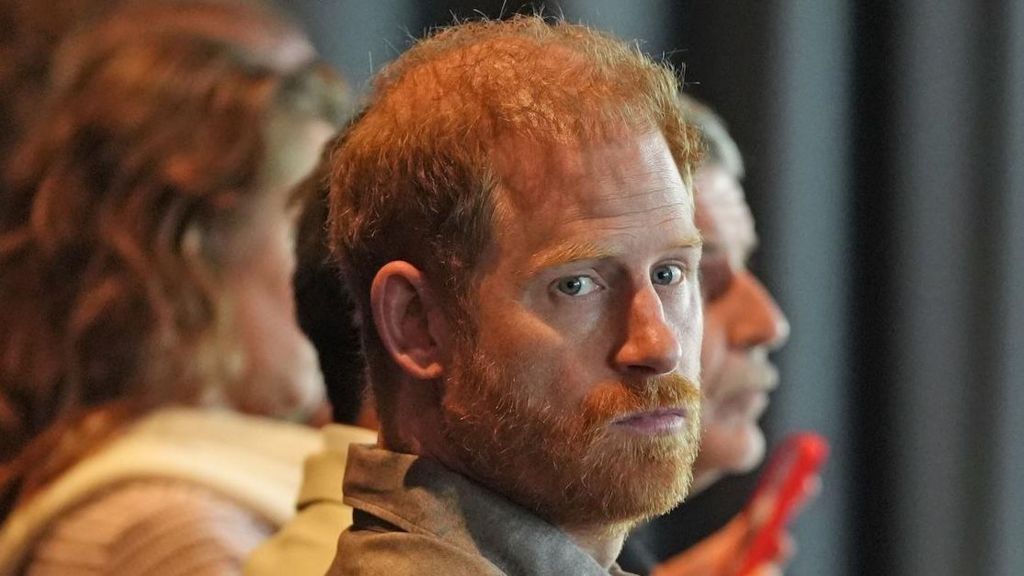
On the second day of his private working visit to Australia, Prince Harry, the Duke of Sussex, merged his longstanding advocacy for mental health and love of sport to launch a landmark new report on paternal well-being, opening up about his own journey as a father and the intergenerational shift shaping modern parenting.
Greeting the Melbourne crowd with a casual “G’day everyone” and a lighthearted nod to the Western Bulldogs AFL team’s strong start to the 2026 season, the Duke centered his remarks on evolving approaches to parenting, drawing a direct connection to his own experience growing up in the British royal family and raising his own children today. He noted that global social shifts have rendered outdated parenting models obsolete, arguing that each new generation of parents has the opportunity to build on the lessons of the past.
“The world around us has changed massively, so there is no version of where parenting is going to be the same as we experienced,” he told attendees. “From my perspective, our kids are our upgrades. That’s not how I was taught, but that was my take on it… Even if you had the best upbringing in the world, the best parenting in the world, there’s still room for improvement.” A longstanding public advocate for open discussion of mental health struggles, the Duke also pushed back against the persistent stigma that discourages fathers from seeking support when they are struggling, framing openness as a sign of strength rather than weakness.
“For so many years it has been seen as a weakness to stick your hands up. I find it’s the opposite,” he said. “The more grief I get for talking about it, the more I want to stand up and talk about it. I know if I go quiet about it – what does that say to everyone else?”
The event, hosted by men’s health charity Movember, marked the launch of new research that lays bare the unaddressed mental health challenges facing new fathers. The study’s findings are stark: one in five fathers report extreme feelings of isolation in the period after welcoming a child, while just under 60% of new dads were never asked how they were coping in their baby’s first 12 months. The report also found that more than 70% of surveyed fathers are actively committed to parenting differently than their own fathers did, a trend Movember leaders say aligns directly with Harry’s public messaging.
Dr. Zac Seidler, Movember’s Global Director of Research, praised the Duke for bringing authentic, personal experience to the advocacy effort. “He’s really passionate about this, it matters to him, and he told us real stories that he had experienced, stuff that he’d spoken about with his wife, with his therapist,” Seidler said. “He really just wanted to get to the heart of it and talk about advocating for change. I think Harry was just talking about this seismic intergenerational shift that we’re all experiencing. We want to do things differently; we want to learn from our fathers, whether it’s mistakes or otherwise and really lean into what it means to be a dad today.”
Nathan Appo, the first Indigenous Australian to sit on Movember’s global board and a Mamu man from Far North Queensland, acknowledged the complicated context of Harry’s visit, noting that many of the systemic health barriers facing First Nations Australians trace back to British colonialism carried out by the Duke’s ancestors more than 250 years ago. Even so, Appo praised Harry for centering Indigenous voices and engaging meaningfully with the community’s challenges.
“As you travel around the world, connecting with Indigenous people to understand their history and what our people face regularly, the barriers that we face… and how that impacts on health is really important,” Appo told the BBC. “Building your knowledge to give you a good understanding of how you can change policy for the better is really important, and I think Harry is someone who does that. He’s using his platform to promote and empower people around the world and do the right things. It’s hard not to be drawn to people like that.”
After the report launch, Harry leaned into the second half of his day’s agenda: trying his hand at Australian Rules Football, the dominant sport of Melbourne, with players from the Western Bulldogs. Under the guidance of Bulldogs midfielder Adam Treloar, the Duke, a former keen rugby player in his youth, learned the basics of holding the oval-shaped AFL ball and navigating the field. Treloar described Harry as enthusiastic and genuinely curious about the sport, noting that the interaction felt far from the stiff, scripted meetings common for high-profile visitors.
“He went alright, he was very keen on learning,” Treloar told reporters. “I don’t think we had enough time to really teach him, but he was super keen, asking how we hold the footy and where the laces go. It was pretty normal. We had a great conversation. One of the teammates that was with me has four pubs and was talking about his pubs and maybe coming down for a beer if he has some spare time, which obviously he doesn’t, but it just seemed really genuine and authentic.”
Harry’s wife, Meghan, Duchess of Sussex, did not attend Wednesday’s public event, and no public appearances have been scheduled for her on this day. A spokesperson for the couple did not respond to BBC requests for comment on Meghan’s plans during the trip. The couple, who stepped down as working British royals in 2020, are traveling to Australia in a private capacity, combining charitable engagements like Harry’s mental health launch with private commercial work. It is understood that Meghan is using the trip to explore plans for expanding her As Ever lifestyle brand into the Australian market. Following his Melbourne commitments, Harry is set to travel to Canberra for engagements later on Wednesday.