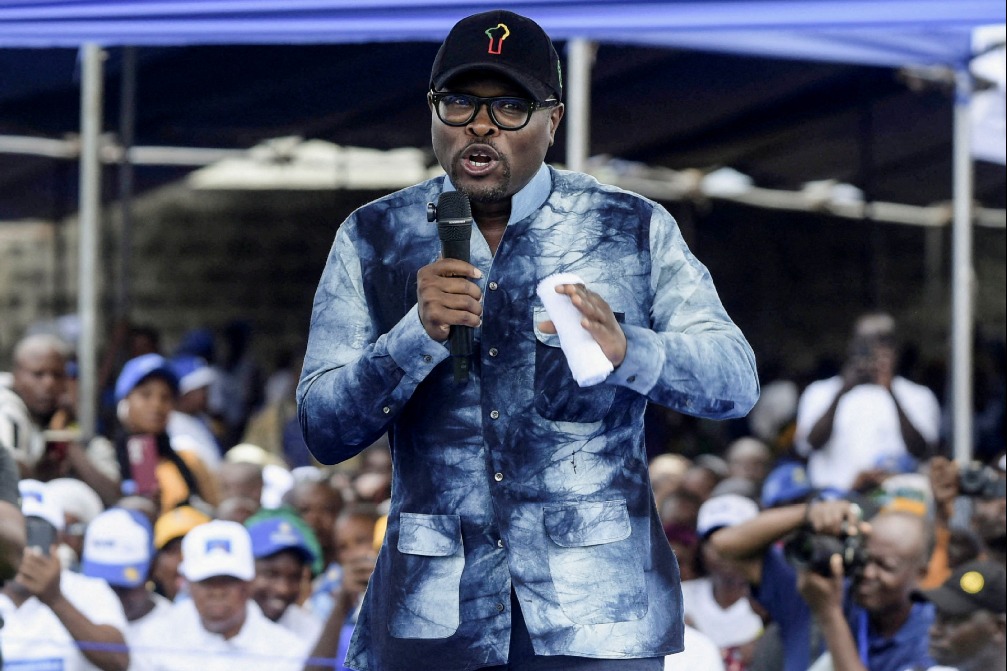
Benin’s path to a new presidential term has been cleared with a resounding electoral victory, as the West African nation’s national electoral commission confirmed Tuesday that incumbent Finance Minister Romuald Wadagni has won the presidency by an overwhelming margin.
Provisional results released by the independent electoral body show Wadagni, 49, and his running mate Mariam Chabi Talata captured an extraordinary 94% of valid votes cast in the poll. Out of 4.64 million valid ballots counted, the ruling coalition ticket earned more than 4.25 million votes. Turnout reached 58.75% across the country’s nearly 7.9 million registered voters, a solid participation rate for the national election.
Wadagni entered the race as the clear frontrunner from the outset, backed by Benin’s governing coalition. Local political observers and media outlets had widely predicted his landslide win long before official results were tabulated. His only opponent, opposition candidate Paul Hounkpe, ultimately secured just 5.95% of the vote. In a show of democratic commitment, Hounkpe conceded defeat before the official commission announcement, offered what he called “republican congratulations” to his rival, and called on all Beninese citizens to prioritize national unity and uphold respect for the country’s democratic institutions.
The outcome of the election paves the way for continued policy stability in Benin, particularly for the market-oriented economic reforms advanced over recent years. Those policies have cemented Benin’s reputation as one of the fastest-growing economies in West Africa, and analysts widely expect Wadagni’s presidency to sustain and expand that economic momentum. The landslide mandate, political analysts note, also gives Wadagni a strong mandate to advance his policy agenda as he takes office.