For decades, the Netherlands has stood as one of international men’s soccer’s most enduring nearly men. Three times the Oranje have marched all the way to the FIFA World Cup final, and three times they have fallen short of lifting the sport’s most prestigious trophy—back-to-back defeats in 1974 and 1978, followed by a heartbreaker in 2010. This year, the three-time runners-up get a new chance to rewrite their legacy, drawn into Group F alongside rising Asian powerhouse Japan, resurgent Sweden, and African hopeful Tunisia, all hungry to upend the pre-tournament projections.
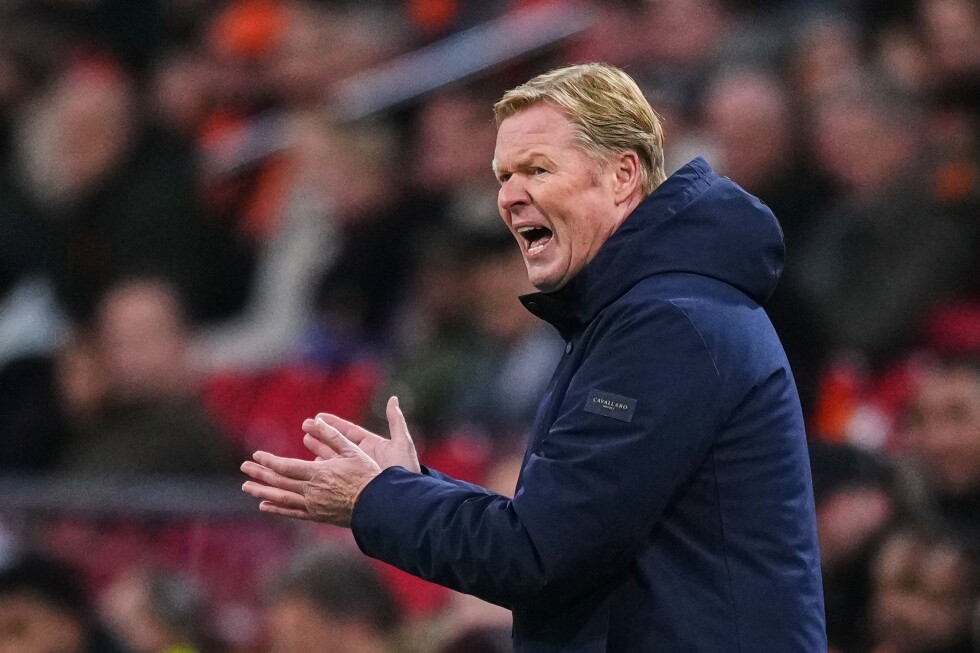
Pioneers of the revolutionary ‘total football’ framework that redefined the global game in the 1970s, the Netherlands has always produced sides celebrated for their dynamic, aesthetically pleasing style—yet that magic has consistently evaporated when the final whistle of the World Cup final blows. This cycle, the Dutch are led by head coach Ronald Koeman, who is in his second stint at the helm of the national team and is desperate to end his country’s decades-long title drought. Koeman already knows what it takes to win major honors with the Netherlands, having lifted the UEFA European Championship as a player in 1988, and he reached the UEFA Nations League final during his first tenure in charge back in 2019. Today, his squad draws heavily from English Premier League talent, including defensive anchor Virgil van Dijk, dynamic midfielders Ryan Gravenberch and Tijjani Reijnders, and dynamic attacker Cody Gakpo. While the current cohort is solid, analysts widely note it lacks the elite generational talent that defined some of the Netherlands’ most iconic squads of past tournaments. Even so, the Oranje enter Group F as heavy favorites to finish top of the table and advance to the knockout round—but they are not without potential pitfalls, the most notable being 2022’s giant-killers Japan.
Japan is making its eighth consecutive World Cup appearance this year, targeting a third straight advancement out of the group stage. The Blue Samurai were also the first team outside of this year’s three co-host nations to secure their spot in the tournament, booking their qualification with three group matches still left to play. At the 2022 Qatar World Cup, Japan authored two of the biggest upsets in modern World Cup history, knocking off both Germany and Spain on their way to topping their group—a run that sent shockwaves through the global soccer community. Still, the nation has never advanced past the round of 16, leaving its squad hungry to break that new barrier this cycle. A majority of Japan’s current national team players compete in top European club competitions, including Bayern Munich defender Hiroki Ito and Brighton & Hove Albion dynamic winger Kaoru Mitoma, both of whom have built strong reputations for outperforming expectations against elite competition.
For Sweden, the road to this year’s World Cup was far from straightforward. The side finished bottom of its direct qualifying group without recording a single win, and only secured a spot in the qualifying playoffs thanks to its strong performances in the 2024-2025 UEFA Nations League, granting it an unexpected second chance to qualify. Under new head coach Graham Potter, who stepped into the role looking to rebuild his managerial reputation following successive club exits from Chelsea and West Ham United, Sweden defied predictions to knock out both Ukraine and Poland in the playoffs to claim its spot in the 24-team field. The side boasts elite offensive talent that makes it a dangerous outlier in the group, including in-form Newcastle United striker Alexander Isak and Sporting Lisbon forward Viktor Gyökeres, two of the most clinically finishing strikers in European soccer. Additional key talent includes young midfield star Lucas Bergvall and Manchester United winger Anthony Elanga. Sweden has its own historic World Cup memories tied to co-host nation the United States: the side finished as runners-up in 1958, and reached the semi-finals the last time the U.S. hosted the tournament in 1994, giving the side a layer of historical confidence heading into this year’s competition.
Completing Group F is Tunisia, making its seventh World Cup appearance and still chasing its first ever advancement out of the group stage. The North African side came heartbreakingly close to breaking that streak in Qatar four years ago, beating defending champion France 1-0 and holding Denmark to a draw, only to miss out on knockout qualification by a single point. Following a disappointing early exit from the 2023 African Cup of Nations at the round of 16, Tunisia hired former head coach Sabri Lamouchi to lead the side through this World Cup cycle. A rising young star to watch for the Carthage Eagles is 21-year-old Khalil Ayari, who earned a transfer to Paris Saint-Germain ahead of this season and has recently broken through into the senior national team, bringing new energy to Tunisia’s bid to make history.
As Group F prepares to kick off, all eyes will be on the Netherlands as it chases the title that has eluded it for half a century—with three motivated opponents all ready to turn the group’s dynamics upside down.