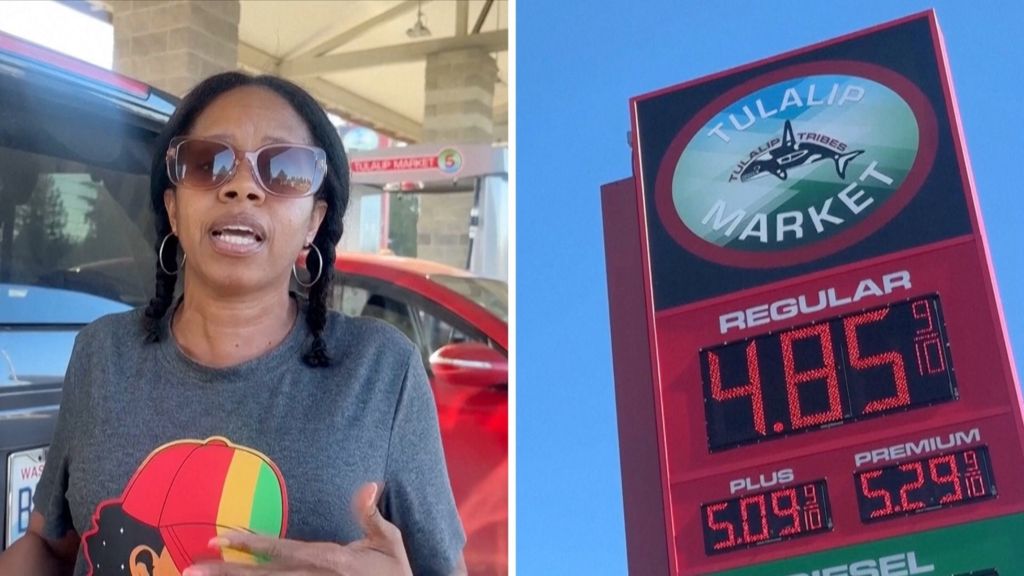
Across the United States, as retail gasoline prices continue to fluctuate and strain household budgets, a growing number of motorists are changing their refueling routines to seek out significant savings: they are traveling to Native American tribal territories to fill up their tanks.
The core draw behind this trend lies in the unique legal status of federally recognized tribal lands, which grants these sovereign nations exemptions from most state and federal fuel taxes. Unlike standard public gas stations operating off-reservation, retail outlets on tribal land do not pass these accumulated tax costs down to consumers, resulting in per-gallon prices that are often 10 to 50 cents lower than the national average, and in some high-tax states, the gap can stretch even wider.
For budget-strapped drivers, even a small per-gallon discount adds up to meaningful savings over time, especially for those who commute long distances or rely on their vehicles for work. Many motorists now plan regular trips around stops at tribal gas stations, sometimes driving several miles off their regular routes to lock in lower prices.
This trend also highlights the economic role that tax exemptions play for tribal communities, where gas retailing has become a key revenue stream that funds local public services and infrastructure development. At the same time, it has sparked ongoing discussions about tax policy equity across different jurisdictions in the US, though for now, cost-conscious drivers show no signs of slowing their visits to tribal fuel outlets.