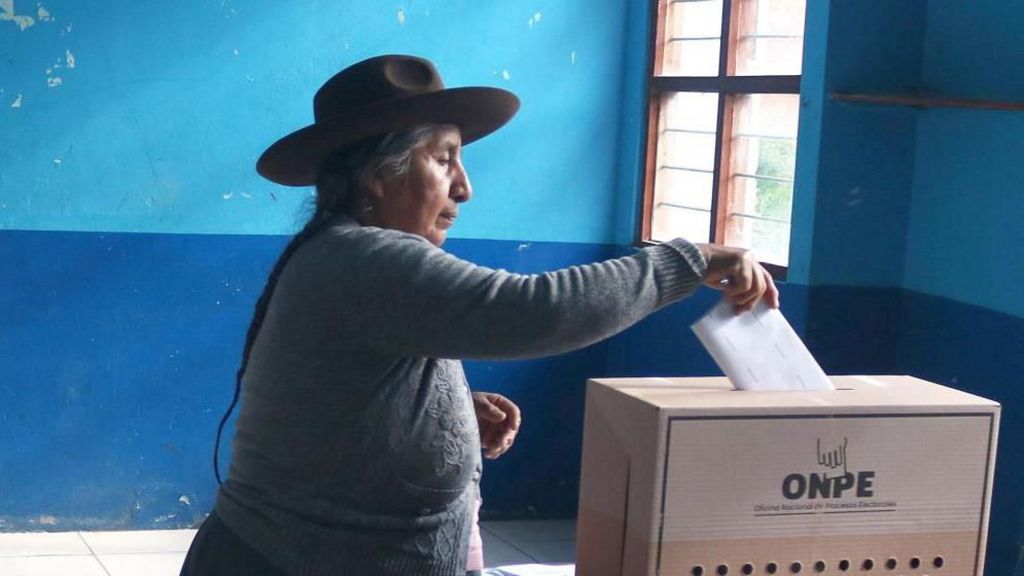
Peru’s 2026 general election has hit widespread logistical and technical disruptions that have delayed the final release of official results, leaving more than 50,000 eligible voters locked out of casting ballots on the originally scheduled election day, Sunday.
More than 27 million Peruvians were called to the polls across the country and overseas to elect a new president and fill seats in both chambers of the newly restructured Congress, with mandatory voting required for all citizens between the ages of 18 and 70. But procedural failures upended voting operations in dozens of locations: multiple polling stations opened far behind schedule, while others never opened at all. Disruptions were not limited to Peru’s domestic voting sites; problems were also reported at overseas polling locations in Orlando, Florida and Paterson, New Jersey. In response to the chaos, Peru’s National Electoral Board has granted a one-day extension, allowing disenfranchised voters to cast their ballots on Monday. Current interim President José María Balcázar attributed the failures to a private logistics contractor that failed to deliver voting materials to polling sites before the opening of polls, leaving thousands without the ability to participate.
With roughly half of all cast ballots counted in preliminary tallies, conservative candidate Keiko Fujimori holds a narrow lead over Rafael López Aliaga, the right-wing former mayor of Peru’s capital city Lima. The race for the second spot in the upcoming run-off remains extremely tight, however, and exit polls indicate the contest is still wide open: left-wing candidate and former tourism minister Roberto Sánchez remains in striking position to overtake one of the two front-runners and secure a place in the June 7 run-off. No candidate is on track to clear the 50% of the popular vote threshold required to win the presidency outright, making the June run-off between the top two finishers all but guaranteed.
The election comes at a moment of unprecedented political upheaval for Peru. Over the past 10 years, the country has seen six presidents forced out of office via resignation, impeachment, or ouster amid sprawling corruption scandals. The last president to complete a full four-year term was Ollanta Humala, who left office in 2016. Balcázar, the 83-year-old interim incumbent, only took office in February following the latest leadership shake-up, and he will step down once the election process concludes. The next president will face the immediate challenge of rebuilding public trust in government, after years of chaos left most Peruvian voters deeply skeptical that political leaders prioritize the public good over personal gain.
Beyond the presidential race, the outcome of the congressional contest will carry major long-term implications for Peruvian politics. This election marks the re-establishment of the Peruvian Senate, a 60-seat upper chamber that cannot be dissolved by the sitting president, meaning it will hold significant independent legislative power.
Fujimori, the daughter of late autocratic former President Alberto Fujimori, who was convicted of crimes against humanity during his time in office, is making her fourth bid for the presidency, having lost in the final run-off in the three previous election cycles. She maintains high name recognition across the country, and her legacy tied to her father draws both strong support from loyalist voters and intense opposition from critics of her father’s authoritarian rule. On election day, Fujimori publicly reaffirmed her connection to her father by visiting his grave, a move that underscored her unwavering allegiance to his legacy. Both Fujimori and López Aliaga have campaigned on hardline “iron fist” platforms to address rising crime and corruption, two top priorities for voters heading into the election. Extortion has become a particularly urgent crisis, with public transport workers regularly targeted by criminal gangs demanding protection money. As counting continued, Fujimori framed the race as a ideological battle, saying “the enemy is the left”, signaling her goal of blocking any left-wing candidate from advancing to the June run-off.