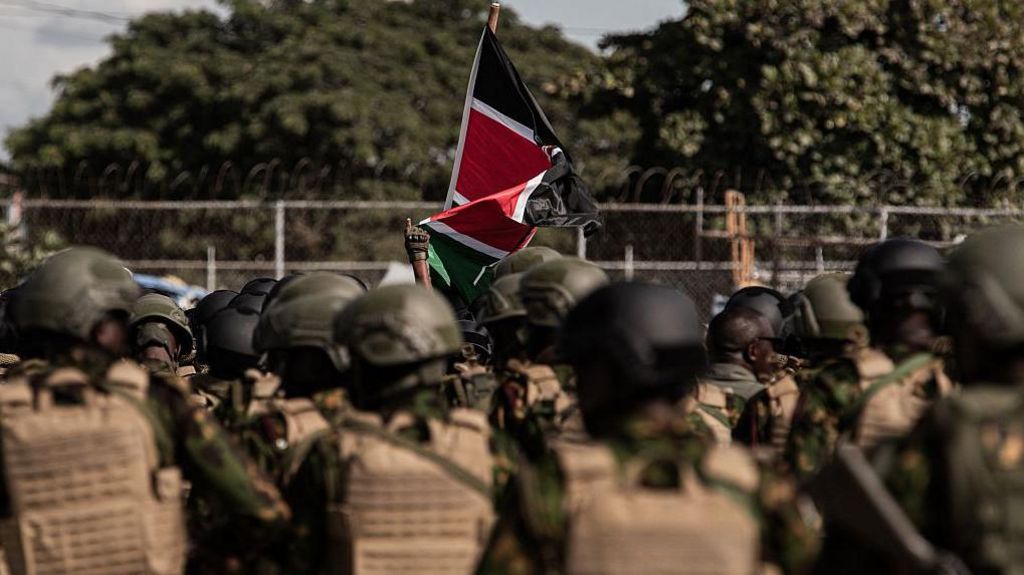
A long-simmering dispute between Kenya and the United Nations has boiled over into public view, after Nairobi formally pushed back against a published UN report that accuses Kenyan troops serving in the Haiti security mission of involvement in sexual abuse and exploitation, including assaults on minor children.
The Kenya-led Multinational Security Support Mission (MSS) was first deployed to Haiti in 2024, following a formal authorization from the UN Security Council. The deployment’s core mandate was to support Haitian authorities in quelling the rampant gang violence that has plunged the Caribbean nation into years of humanitarian and security crisis. Plagued by persistent underfunding, operational hurdles, and recruitment shortfalls, the 2,500-person target for the mission was never met, and the force ultimately failed to rein in the widespread bloodshed terrorizing Haitian communities. The MSS has since been phased out and replaced by a larger international contingent, the Gang Suppression Force, as international efforts to stabilize Haiti continue.
Last week, a public report from UN Secretary-General António Guterres linked Kenyan officers serving with the MSS to four separate incidents of rape and other sexual violence. Three of the reported victims are children: one 12-year-old and two 16-year-olds. The UN report notes that all four allegations were shared with the MSS force commander, and adds that investigations carried out by the Office of the United Nations High Commissioner for Human Rights found the claims to be credible and substantiated. The document emphasizes that any form of sexual exploitation and abuse by peacekeeping or security mission personnel constitutes a fundamental breach of the trust extended by local communities to the UN and its international partners, and the UN confirms the allegations remain under formal review.
In response to the public release of the report, Kenya’s Foreign Minister Musalia Mudavadi submitted a formal letter of protest to UN chief António Guterres, pushing back firmly against the claims. Mudavadi noted that the allegations first emerged back in August of last year, and that Kenyan authorities launched an immediate, full inquiry into the claims shortly after they were raised. The inquiry’s results, he said, found the accusations completely unsubstantiated.
“No formal complaints were filed with any national or international authority, and we shared the findings of our investigation transparently with both Haitian government bodies and relevant UN agencies,” Mudavadi stated in the letter. The minister added that all Kenyan personnel serving with the MSS have consistently adhered to every code of conduct and operational rule mandated for the mission, and no official inquiry has ever produced evidence of misconduct by Kenyan troops.
Despite widespread domestic opposition to the deployment and the well-documented operational and financial challenges that hampered the mission, Mudavadi reaffirmed that Kenya’s participation in the MSS reflected the East African nation’s steadfast commitment to supporting international efforts to restore peace and security to Haiti.
The dispute comes as international stakeholders continue to grapple with how to address Haiti’s ongoing security collapse, which has left hundreds of thousands of people displaced and millions in need of humanitarian assistance, with gangs controlling large swathes of the capital Port-au-Prince and other major urban centers.