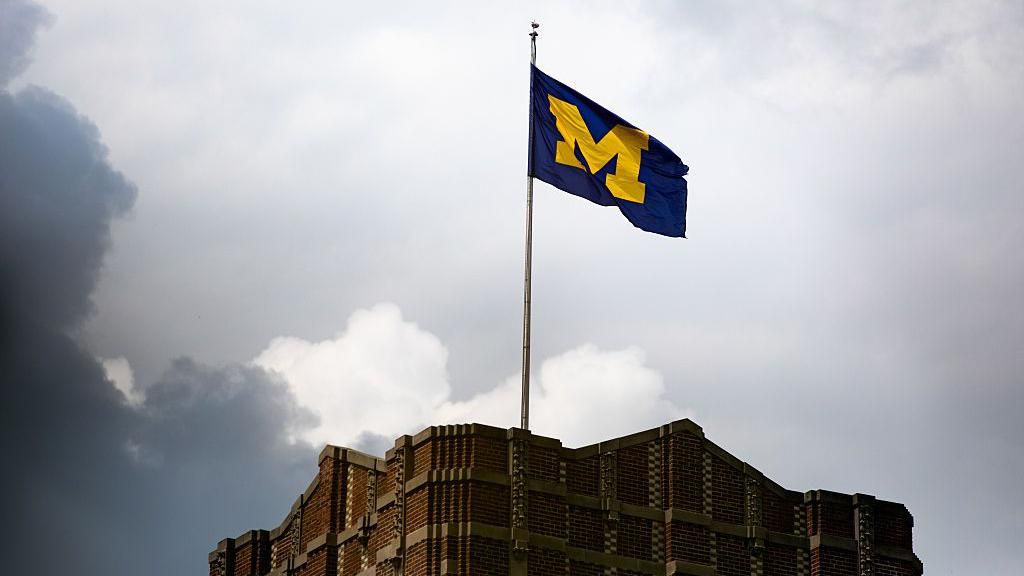
A recent tragic death of a Chinese semiconductor researcher at the University of Michigan has sparked diplomatic demands from Beijing for a full, transparent investigation into the incident, raising fresh concerns about the growing scrutiny of Chinese academics working in the United States amid ongoing bilateral tensions. The researcher fell to his death from a campus building on March 19, and multiple US and Chinese sources have confirmed his identity as Danhao Wang, an assistant research scientist in the university’s department of electrical and computer engineering whose work focused on semiconductor technologies.
Shortly before his death, CBS News reported, Wang had completed questioning by US federal law enforcement agents, which Chinese authorities have described as hostile. The University of Michigan confirmed in an official statement that it is treating the incident as a suspected act of self-harm, though the full circumstances surrounding the death remain unconfirmed. Both the university and Chinese government institutions have initially declined to publicly confirm Wang’s identity out of respect for the privacy of his grieving family, a position the institutions have maintained through the early stages of the case.
The Chinese Embassy in Washington and China’s foreign ministry have repeatedly pushed US authorities to open a full investigation into the incident. Liu Pengyu, spokesperson for the Chinese Embassy in the US, told the BBC this week that the embassy was deeply distressed by the tragedy. Liu confirmed that Chinese diplomatic officials have made multiple formal representations to US government agencies and the University of Michigan regarding the case, and have been in direct contact with Wang’s family to provide full support and assistance with post-death arrangements. The embassy has also issued an advisory to all Chinese citizens studying and working in the US, urging them to increase personal safety awareness and prepare to handle interactions with US law enforcement appropriately.
In public comments on the case, China’s foreign ministry has stressed that the death, following what Beijing calls hostile interrogation by US law enforcement, violates the fundamental legal rights of Chinese citizens, erodes trust needed for people-to-people exchanges between the two countries, and perpetuates a harmful chilling effect for Chinese academics working in the US. “China will continue to take what is necessary to firmly defend Chinese citizens’ legitimate and lawful rights and interests,” foreign ministry spokesperson Mao Ning reiterated to the BBC on Wednesday, reaffirming Beijing’s demand that US authorities deliver a full investigation and a transparent, responsible explanation to both Wang’s family and Chinese government.
This death marks the latest high-profile incident to draw international attention to the precarious position of Chinese academics working in the US, as geopolitical tensions between Washington and Beijing continue to shape policy toward Chinese students and researchers. In 2024, another Chinese-American neuroscientist at Northwestern University died by suicide following a multi-year federal investigation into her alleged ties to Chinese academic institutions; her family has since filed a lawsuit against the university alleging unfair treatment throughout the investigation.
Over the past five years, the US government has significantly ramped up scrutiny of Chinese researchers and students on US campuses, justifying the tougher measures with national security concerns. During the first Trump administration, a 2020 executive order barred Chinese students and researchers with suspected ties to the Chinese military from receiving US visas. In the year preceding the 2020 election, the administration further announced it would aggressively revoke visas for Chinese students, particularly those with alleged links to the Chinese Communist Party or working in sensitive, critical technology fields. That hardline position was later softened amid bilateral trade talks, when the US issued more than 600,000 student visas to Chinese citizens in a visible policy reversal.