Nestled in the Mississippi Sound, within sight of the Gulf of Mexico’s sprawling U.S. oil reserves, the 250-meter navy-and-burgundy tanker Minerva Gloria sits docked at a coastal wharf. Its cargo would have been unthinkable just six months ago: 400,000 barrels of heavy Venezuelan crude, marking the resumption of full-scale oil shipments between the OPEC nation and the United States after years of disrupted trade.
Venezuela holds the world’s largest proven conventional oil reserves, but decades of underinvestment and a sweeping U.S. import ban had crippled its export sector for years. That changed abruptly after a January U.S. military raid captured former Venezuelan leader Nicolas Maduro, opening the door for Washington to roll back sanctions and access the untapped reserves. President Donald Trump made tapping Venezuela’s oil supplies a core priority, a pledge that is now translating to tangible shipments.
By March 2026, Venezuelan monthly crude exports crossed the one million barrels per day threshold for the first time since September 2025, a rapid rebound for the country’s energy sector. The timing could not be more consequential: as global energy markets roil from Iran’s blockade of the Strait of Hormuz, major U.S. energy firms including Chevron — the only large American oil producer still holding operational assets in Venezuela — have ramped up imports of Venezuelan crude to full capacity.
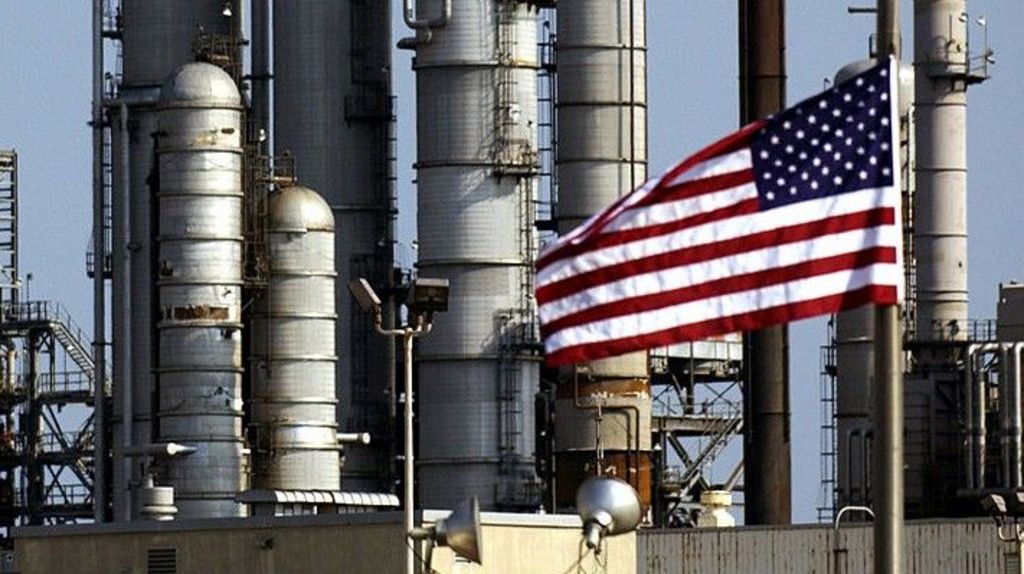
For Chevron’s largest U.S. refinery in Pascagoula, Mississippi, the return of Venezuelan oil is far more than a symbolic shift. “It’s a big deal not only for Chevron but the entire Gulf region,” noted Tim Potter, the facility’s director. The refinery was purpose-built and upgraded over decades to process heavy, high-sulfur crude — the exact type of oil that Venezuela produces in abundance. “It’s a pretty big incentive for us to run it at full capacity,” Potter added. Now, the firm can extract crude from its own Venezuelan fields, process it domestically, and deliver it directly to U.S. consumers, cutting out middlemen and logistical delays.
Venezuelan crude carries a lower upfront price tag than many other grades, despite its more complex refining requirements. Currently, Chevron imports an average of 250,000 barrels of Venezuelan crude per day, and Andy Walz, president of Chevron’s downstream, midstream and chemicals division, says the company is positioned to boost that volume by 50% in coming months, hitting between 350,000 and 400,000 barrels daily for the firm alone. While Chevron is the only U.S. company with direct extraction rights in Venezuela, other domestic refiners are also purchasing crude from Venezuelan producers, expanding the overall supply hitting U.S. markets.
Nearly 70% of U.S. refining capacity is optimized to run most efficiently on heavy crude grades, and the U.S. already draws less than 8% of its total oil imports from the Middle East as of 2025. Increased Venezuelan imports expand overall domestic supply, which industry leaders argue should eventually translate to lower pump prices for U.S. drivers. President Trump emphasized this dynamic in a recent primetime address, stating: “The United States imports almost no oil through the Hormuz Strait, and won’t be taking any in the future, we don’t need it.”
Yet for American consumers filling their tanks right now, relief has not yet arrived. Just miles from Chevron’s Pascagoula refinery, at a local company-branded fuel station, retail gas prices continue to climb. David McQueen, a retired Vietnam veteran who relies on Social Security for income, called the ongoing price hikes unsustainable. “The price has got to go down because I’m going down with it,” he said, echoing widespread frustration that abundant domestic and Venezuelan reserves have not translated to lower costs. Another local resident, Donna, told reporters she has cut back on driving and reduced other spending to afford fuel, cutting back on visits to her grandchildren who live several hours away. “You gotta do what you gotta do,” she said.
Data from the American Automobile Association confirms that even in this oil-rich region of Mississippi, where prices are still below the national average, gasoline costs roughly $1 more per gallon than they did before the escalation of conflict around the Strait of Hormuz. Why has increased supply not yet lowered prices? Industry leaders explain that the U.S. remains fully integrated into global oil markets, so even domestic crude is priced according to international benchmarks. “While we’re able to still get crude available here to this refinery because of our relatively local supply, the overall pricing of that crude has gone up because it’s based off of world markets,” Potter explained.
Chevron officials maintain that the long-term benefits of increased Venezuelan oil supplies will eventually reach consumers, with the current price volatility driven by the Iran crisis temporarily masking the impact. “When things do get back to normal, that additional supply out of Venezuela will actually translate to lower prices for Americans. So it will in the future, but it isn’t having an impact now,” Walz said. For now, though, U.S. drivers are still waiting for the promised relief from resumed Venezuelan oil trade.