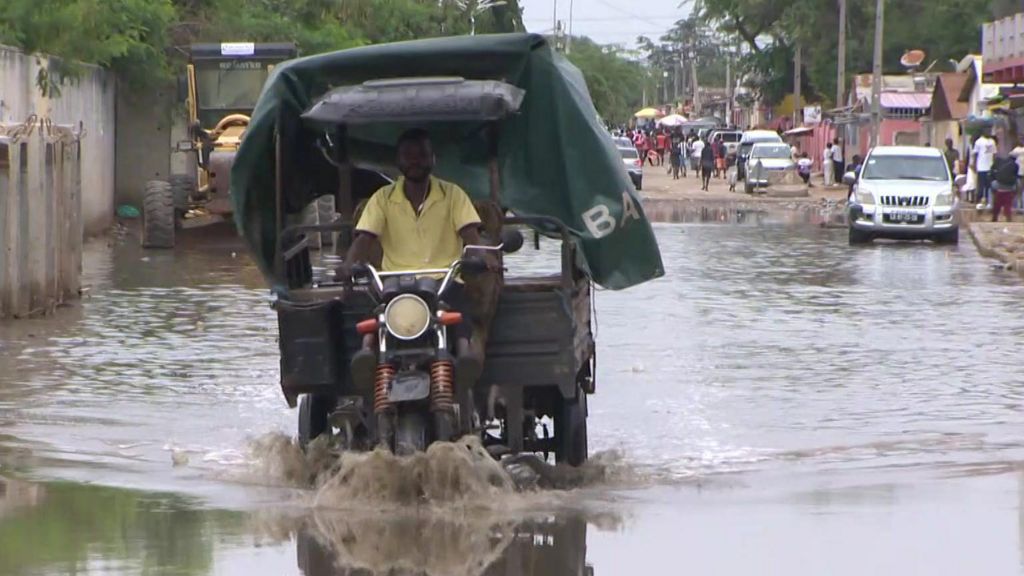
Torrential downpours sweeping across Angola have triggered catastrophic flooding that has claimed dozens of lives, displaced tens of thousands of residents, and caused widespread destruction of critical infrastructure across multiple regions of the southern African nation.
As of the latest official updates from Angola’s Civil Protection and Fire Service (SPCB), the disaster has already left at least 29 people confirmed dead in the hardest-hit areas: the capital city of Luanda and the central provincial hub of Benguela. Of these confirmed fatalities, 23 were recorded in Benguela, with another six lives lost in Luanda. An additional 17 people have been injured by flood-related hazards, ranging from collapsed structures to falling debris. Local broadcaster Radio Solidária has since added four more fatalities recorded in Cuanza-Sul province, pushing the total national death toll to 33.
More than 34,000 people across the country have been directly impacted by the disaster, with thousands forced to evacuate their damaged or destroyed homes. Widespread flood damage has extended beyond residential properties to cripple key public infrastructure: roadways have been washed out, bridges damaged, and utility lines toppled by floodwaters and saturated soil. A particularly critical disruption occurred when a pillar of the Hâlo River bridge collapsed, cutting off the primary transportation link between Benguela and Huambo provinces, complicating emergency response efforts in the region.
Angolan President João Lourenço has publicly mourned the lives lost to the disaster, emphasizing that the nation is now in a urgent “race against the clock” to locate missing residents, extract trapped people from flood zones, and deliver urgent medical care and emergency aid to all those affected. In an official statement from the presidency, Lourenço confirmed that extensive damage has been done to housing, transportation networks, and core public utilities including potable water systems. He added that all relevant state agencies have been fully mobilized to coordinate relief efforts and deliver support to displaced and affected residents.
While intense seasonal rainfall is a common occurrence across southern Africa during the annual rainy season, the frequency and severity of deadly flood events has grown in recent years. Neighboring countries Namibia and Zambia have both experienced fatal flood disasters in recent years, and Angola itself faced a similarly catastrophic flood event in 2023, when severe flooding across 15 of the nation’s 18 provinces killed 30 people and impacted more than 116,000 Angolan residents.