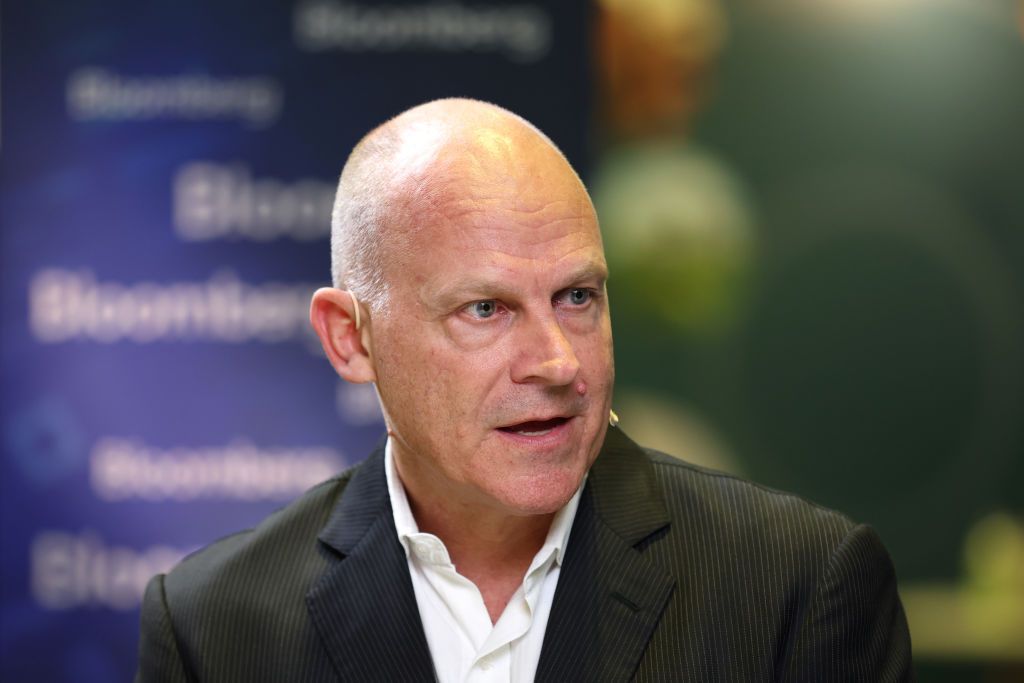
India’s legacy carrier Air India is facing a leadership transition as chief executive Campbell Wilson has announced his resignation, departing the role earlier than his 2027 contract end date amid ongoing operational, financial and safety challenges that have stalled the airline’s post-privatization turnaround. Wilson will remain in the top position until the airline’s board-appointed search committee confirms a permanent replacement, a process expected to conclude within the next several months.
A veteran former Singapore Airlines executive, Wilson was handpicked by Tata Group when the Indian conglomerate acquired Air India from the national government in 2022, following decades of persistent underperformance and mounting losses under state ownership. Tasked with steering a full corporate and operational reset, Wilson oversaw several key milestones during his tenure: the airline added more than 100 new aircraft to its fleet, completed nearly all of the planned interior refits for its older narrow-body jets, began rolling out new wide-body aircraft with upgraded cabins, modernized core operational systems, launched new customer-facing products, and lifted service standards across both ground and in-flight operations.
In a statement shared internally with Air India staff, Wilson noted that he first notified Air India Chairman N Chandrasekaran of his plan to step down in 2024, and had spent the subsequent period positioning the airline for a smooth leadership handover. “The time is right for me to hand over the reins for the next phase of Air India’s rise,” Wilson said in his message, adding that the transformation the airline has completed over the past three years leaves it on “stable footing” for future growth.
Even with these incremental improvements, however, Wilson’s tenure was marked by persistent headwinds that have complicated the turnaround effort. Since Tata took control four years ago, Air India and its low-cost subsidiary have remained in the red, recording a combined net loss of approximately 98 billion Indian rupees (equivalent to $1.18 billion) in the 2024-25 fiscal year alone. The most significant setback came in June last year, when Air India flight AI171, operating an Ahmedabad-to-London service, crashed shortly after departure, claiming 260 lives. The disaster sparked heightened regulatory scrutiny and amplified safety concerns at the carrier, with Indian aviation regulators currently finalizing their accident investigation, targeting a final report release by the one-year anniversary of the crash in June.
The leadership shakeup at Air India comes against a broader backdrop of mounting pressure across India’s fast-growing aviation sector. Industry-wide challenges include spiking fuel and operating costs, service disruptions on key Middle Eastern international routes tied to ongoing regional conflict, global supply chain delays that have slowed new aircraft deliveries, and tighter safety oversight from regulators. Just last week, IndiGo—India’s largest domestic carrier and Air India’s primary competitor—also announced a leadership change, appointing industry veteran Willie Walsh as its new chief executive to help navigate these sector-wide headwinds and support continued expansion.