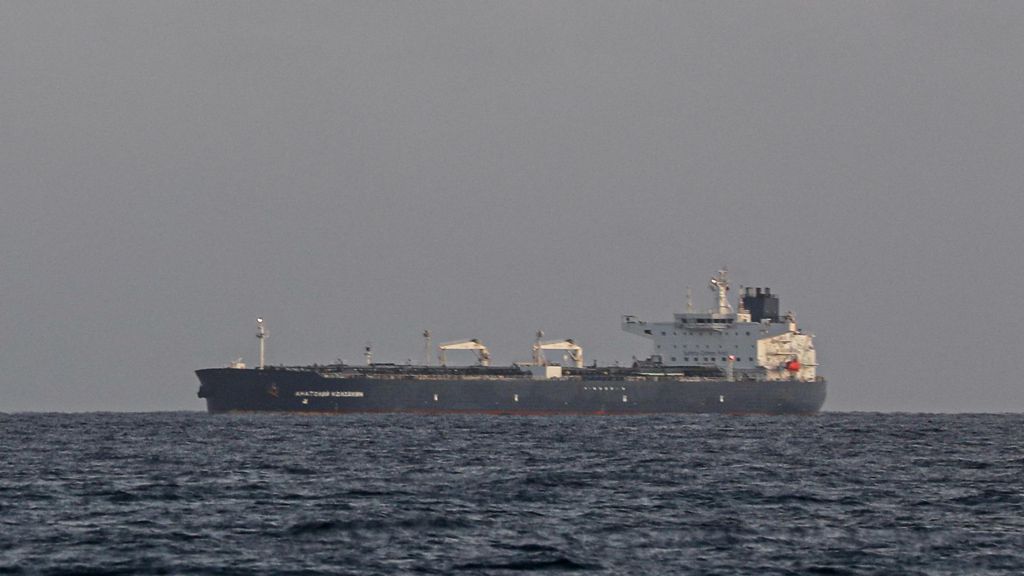
In a significant development that alleviates a severe energy crisis, the Russian-owned oil tanker Anatoly Kolodkin has successfully docked at the port of Matanzas, Cuba. The vessel carried an estimated 730,000 barrels of crude oil, marking the first such delivery to reach the island nation since the United States imposed a near-total fuel blockade in January.
The blockade was initiated following the U.S. capture of Venezuela’s socialist leader Nicolás Maduro, Cuba’s primary regional ally. President Donald Trump had threatened tariffs on any country supplying oil to Cuba, effectively severing its main energy supply and plunging the country into a dire humanitarian situation. This led to nationwide blackouts, crippled medical services in most hospitals, and forced the closure of schools and government offices.
A notable shift in rhetoric emerged last weekend when President Trump stated he had “no problem” with other nations sending fuel to Cuba, clarifying that the Cuban people “have to survive.” This was followed by White House Press Secretary Karoline Leavitt’s announcement on Monday, explaining that the specific shipment was permitted on a “case-by-case basis” to address urgent humanitarian needs. However, she emphasized that there has been no overarching change in U.S. policy, and the broader oil embargo remains firmly in place.
Despite the arrival of the crude, challenges persist. The oil must be processed at an aging refinery in Havana, a procedure that could take over a week. Furthermore, the island’s more immediate need is for diesel, which is essential for powering backup generators and sustaining transportation systems. Current rationing remains extreme; drivers are limited to purchasing a maximum of 20 liters of fuel, for which they must join a weeks-long waiting list via a state-run app and pay in U.S. dollars.
Analysts, including Jorge Piñón, an energy expert at the University of Texas at Austin, caution that this Russian shipment will provide only a temporary respite, sustaining the Cuban economy for a mere few weeks. The event underscores the complex geopolitical interplay between the U.S., Russia, and Cuba, with the island’s population caught in the middle of a prolonged economic and energy struggle.