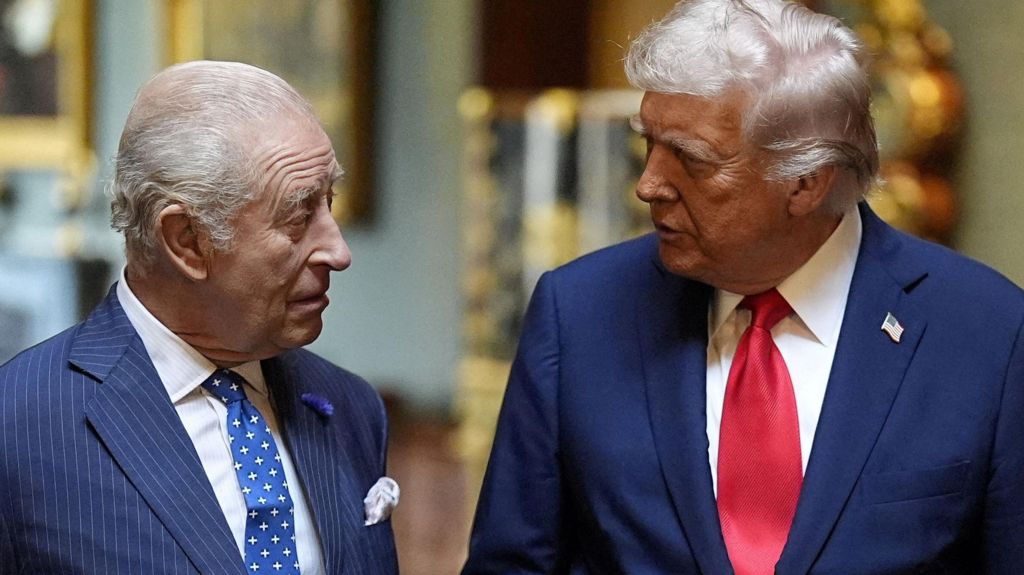
Buckingham Palace has formally announced King Charles III and Queen Camilla’s state visit to the United States in late April, marking the first British monarch’s official trip to America since Queen Elizabeth II’s 2007 visit. The highly anticipated diplomatic mission will include Washington D.C. as a primary destination, featuring a White House state dinner and an address to Congress.
The timing coincides with America’s 250th independence anniversary celebrations, with palace officials emphasizing the visit will “celebrate historic connections and modern bilateral relations” between the two nations. Following the U.S. engagements, the royal couple will visit Bermuda, a British Overseas Territory in the North Atlantic.
This diplomatic undertaking occurs against a complex backdrop of transatlantic tensions. Just prior to the announcement, President Trump escalated rhetoric regarding the Iran conflict, urging allied nations to “go get your own oil” from the Strait of Hormuz while declaring reduced American military support. These comments followed previous diplomatic spats, including Trump’s criticism of UK Prime Minister Sir Keir Starmer’s leadership compared to Winston Churchill and controversies surrounding the UK’s military contributions in Afghanistan.
Despite these challenges, both leaders have publicly emphasized their positive personal relationship. President Trump recalled his Windsor Castle reception last September as “honorable” and described their time together as “amazing,” expressing particular enthusiasm for hosting the King at the state banquet. Polling data from YouGov indicates British public opinion remains divided, with 49% opposing the visit and only 33% supporting it.
Additional complexities include calls from U.S. Congressman Ro Khanna for the King to meet with survivors of Jeffrey Epstein during the visit, referencing the ongoing controversies surrounding Prince Andrew, who has consistently denied wrongdoing regarding his Epstein associations.
The UK government has maintained that the state visit proceeds as a diplomatic necessity, with the monarch traveling on behalf of the Foreign Office. Observers note the administration appears to be leveraging Trump’s well-documented fascination with the monarchy to ease diplomatic tensions and strengthen bilateral relations.