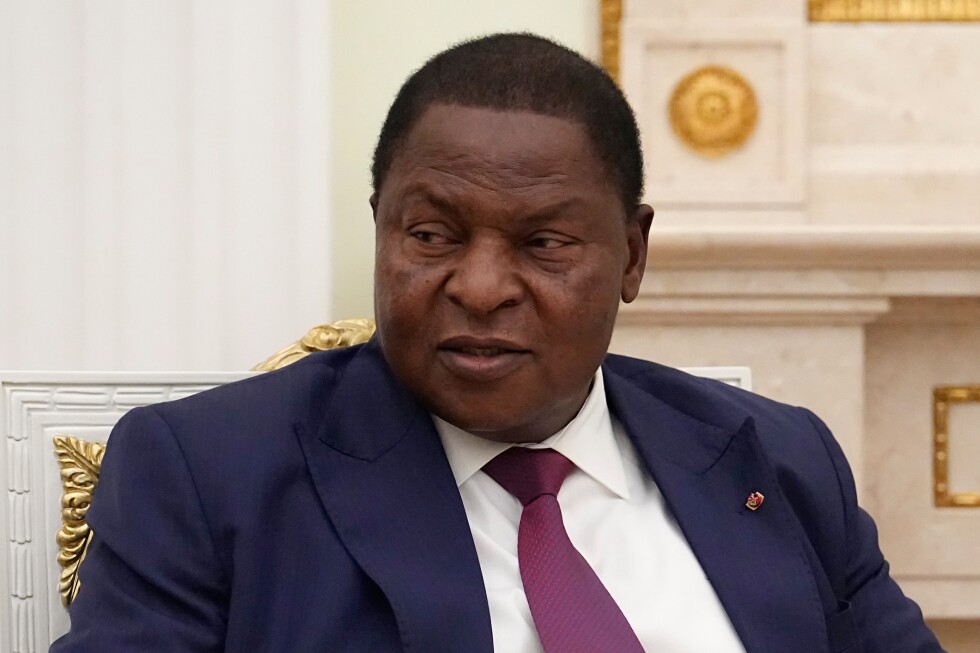
BANGUI, Central African Republic — President Faustin-Archange Touadéra commenced his controversial third presidential term on Monday during an inauguration ceremony in the nation’s capital. The swearing-in follows a highly contested December electoral process that opposition groups have broadly rejected.
The extended seven-year mandate results from constitutional amendments approved in 2023 that eliminated presidential term limits while simultaneously extending the term duration. Official results from the Constitutional Council indicated Touadéra secured 77.9% of ballots, though the election faced a comprehensive boycott from the coalition opposition bloc.
During his inauguration address, President Touadéra outlined ambitions to ‘establish a sovereign economic framework and guarantee transparent administration of our natural resources.’ The ceremony witnessed attendance from several African leaders, including the presidents of Congo-Brazzaville and Comoros.
Civil society representatives and political opponents have vehemently disputed the electoral outcome. Activist Frédéric Godoba characterized the official results as unbelievable, stating ‘You have to be a fool to believe that.’
The political turmoil occurs against a backdrop of persistent national instability. Since 2013, when predominantly Muslim rebels ousted former President François Bozizé, the country has experienced significant violence. A 2019 peace agreement between the government and fourteen armed groups temporarily reduced hostilities, though six factions subsequently withdrew from the arrangement.
International observers note the increasing influence of Russian security operations in the region, with the Wagner Group having established early African operations within the Central African Republic.