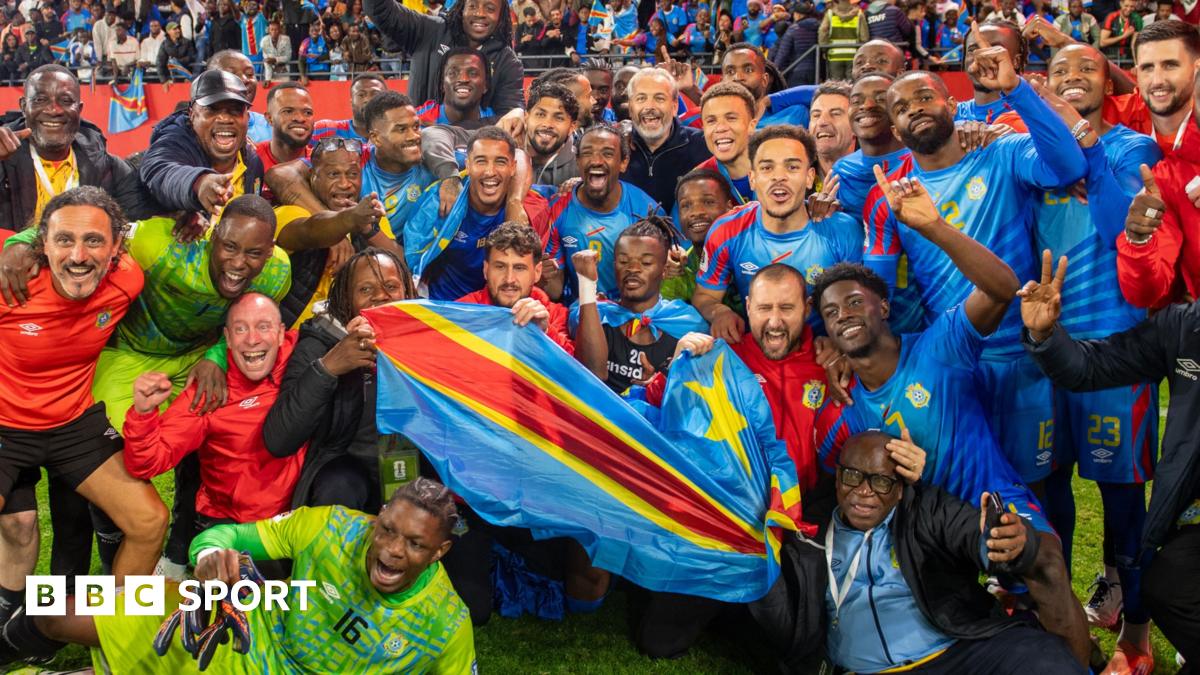
The Democratic Republic of Congo stands on the precipice of footballing redemption as its national team prepares for Tuesday’s decisive intercontinental playoff against Jamaica. This high-stakes encounter represents more than just a sporting contest—it marks a potential culmination of 52 years of waiting since the nation’s solitary, disastrous World Cup appearance in 1974 under the name Zaire.
That ill-fated campaign left an enduring stain on African football, particularly remembered for defender Mwepu Ilunga’s infamous free-kick incident against Brazil that spawned damaging stereotypes about African players’ understanding of the game. Beyond the pitch, darker explanations emerged including unpaid bonuses and threats of violence that may have contributed to the team’s underwhelming performance.
Current players recognize the historical significance of this opportunity. Burnley defender Axel Tuanzebe described it as “the biggest game in my football career,” while former captain Gabriel Zakuani called it “the biggest game in our history.” Victory would not only secure Africa’s 10th representative at the 2026 World Cup across Canada, Mexico, and the United States but also exorcise the ghosts of 1974.
The road to this playoff has been paved with determination. The Leopards finished second behind Senegal in their qualifying group before navigating a challenging African playoff bracket that included victories over Cameroon and a penalty shootout triumph against Nigeria.
This new generation represents a different Congo—one that has strategically leveraged its global diaspora. Of the current 26-man squad, only eight were born in Congo, with ten born in France, five in Belgium, two in Switzerland, and one in England. West Ham defender Aaron Wan-Bissaka, among those recruited from European leagues, emphasizes his pride in representing his parents’ homeland despite being raised abroad.
The team’s success contrasts sharply with domestic football’s challenges. The Congolese league system remains plagued by instability, with the 2022-23 season abandoned after government withdrew travel subsidies. The national federation has been under FIFA-appointed administration since April 2023 after former president Constant Omari was suspended from football activities.
Paradoxically, while domestic football struggles, the government has invested millions in sponsorship deals with European giants Barcelona, AC Milan, and Monaco—a decision that has drawn criticism from those who believe the funding should support local football development and address pressing domestic issues including unpaid civil servant salaries.
For the nation’s 110 million citizens, football represents a rare source of unity and hope amid ongoing conflict in eastern regions where M23 rebels control key cities. The national team’s awareness of this responsibility was evident during the 2023 Africa Cup of Nations when players staged a poignant protest before their semifinal, covering their mouths and pointing finger-guns to their temples to draw attention to the violence back home.
As kickoff approaches in Mexico, Congolese fans face practical challenges in celebrating their team’s potential triumph. The time difference means the match will occur during nighttime hours, and safety concerns in conflict-affected areas like Bukavu make public viewing dangerous. Most supporters will watch from home, hoping their team can finally rewrite a half-century of World Cup disappointment.