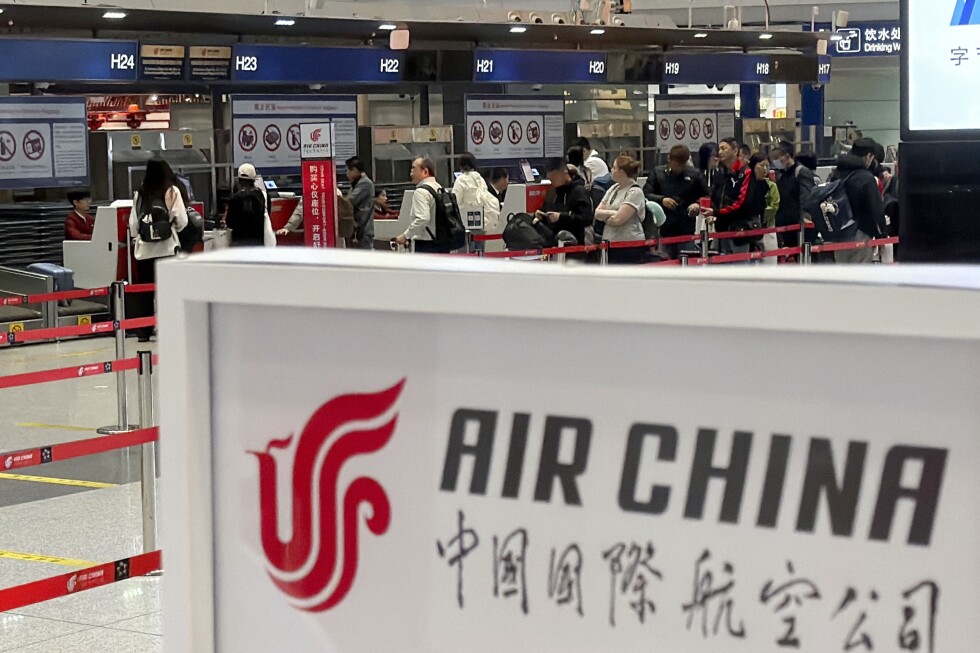
China has fully reestablished transportation connectivity with North Korea as Air China resumed direct flight operations between Beijing and Pyongyang on Monday, completing the restoration of pre-pandemic travel links between the allied nations.
The resumption of air service follows the earlier reinstatement of cross-border passenger rail connections on March 12, marking a significant step in North Korea’s gradual reopening to international travel after implementing some of the world’s most stringent border controls during the COVID-19 pandemic. Both flight and train services had remained suspended since early 2020.
Chinese state media documented the arrival of the inaugural flight, which received an official welcome ceremony attended by Chinese Ambassador to North Korea Wang Yajun and diplomatic personnel. The event signals strengthening bilateral relations despite ongoing geopolitical complexities.
North Korea’s national carrier, Air Koryo, had previously resumed flights between the capitals in 2023, but the return of Chinese commercial aviation represents a more substantial normalization of transportation infrastructure. The renewal of Chinese tourism is particularly significant given that Chinese tour groups constituted approximately 90% of all foreign visitors to North Korea prior to the pandemic-induced border closure.
The delayed resumption of Chinese tourism has puzzled regional observers, especially considering Russia successfully dispatched tourist groups to North Korea earlier in 2024. This comprehensive transportation restoration occurs against the backdrop of evolving diplomatic dynamics, including North Korean leader Kim Jong Un’s notable attendance at a Chinese military parade in September – the first such appearance by a North Korean leader in decades.
Despite being Pyongyang’s primary trading partner and most important ally, Beijing has periodically expressed concern over North Korea’s provocative missile testing programs, particularly those involving systems capable of targeting South Korea and United States territories.