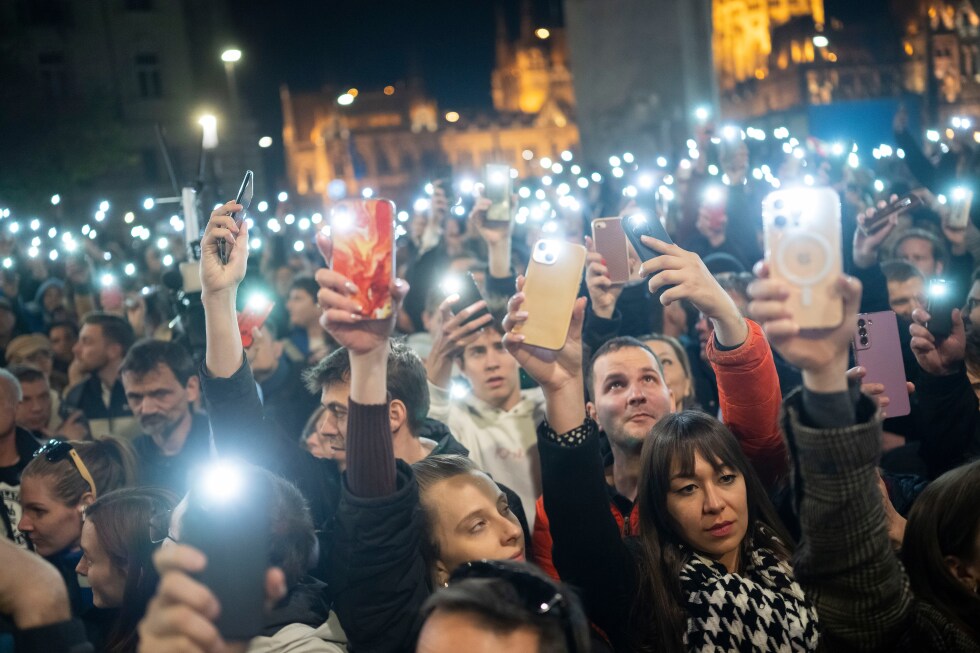
BUDAPEST, Hungary — A profound generational schism is reshaping Hungary’s political landscape as the nation approaches crucial April elections that could terminate Prime Minister Viktor Orbán’s 16-year authoritarian reign. Young Hungarians, mobilized by corruption scandals and economic stagnation, are overwhelmingly backing the surging center-right Tisza party led by reformist Péter Magyar.
Across the Lake Balaton region and beyond, volunteers in their mid-20s are conducting door-to-door campaigns advocating for political transformation. Florian Végh, a 25-year-old student activist, encapsulates the movement’s sentiment: “We’ve lived our whole lives in this system and want to see what exists beyond it. This system is absolutely dysfunctional.”
Recent polling reveals dramatic demographic polarization: Tisza commands 65% support among voters under 30, while Orbán’s Fidesz party retains just 14% youth backing. Conversely, Fidesz maintains 50% support among retirement-age Hungarians versus Tisza’s 19%, creating a stark generational divide.
The political upheaval stems from February 2024’s presidential pardon scandal, where Orbán’s ally pardoned an accomplice in a child sexual abuse case. The controversy triggered mass resignations and nationwide protests organized by influential figures, marking what political scientist Andrea Szabó of Eötvös Loránd University calls “a new, active political generation unfolding before our eyes.”
Magyar, a 45-year-old lawyer who broke with Fidesz following the scandal, has rapidly built Tisza into a formidable opposition force. His platform promises to restore Hungary’s Western orientation, reverse Orbán’s drift toward Russia and China, and recover billions in blocked EU funds withheld over rule-of-law and corruption concerns.
Despite Orbán’s appeals to youth—including recent speeches pleading “Young people, wake up! These are not times for taking risks”—his illiberal governance model faces rejection from digitally-connected generations who compare Hungary’s development unfavorably with neighboring Austria’s infrastructure and social systems.
The election outcome remains uncertain despite Tisza’s polling lead, as Orbán maintains strong rural and elderly support. The contest represents not merely a political battle but a fundamental clash between generations with radically different experiences of Hungarian democracy.