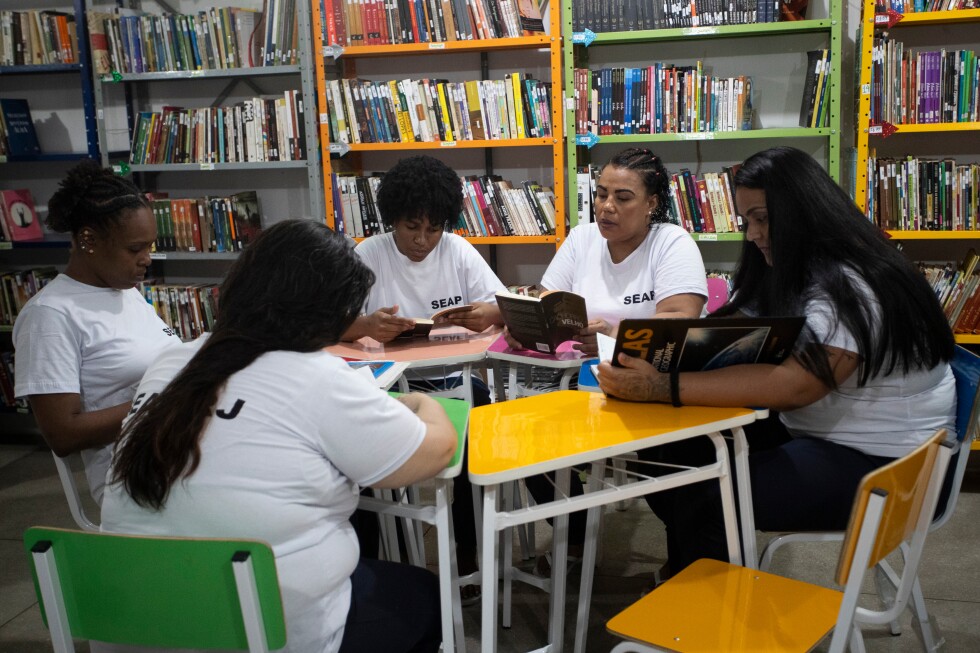
In Brazil’s overcrowded prison system, an innovative reading initiative is offering inmates both intellectual escape and tangible benefits. The nationwide program, which allows detainees to reduce their sentences by up to 48 days annually through literary engagement, has gained significant participation—including from former President Jair Bolsonaro, currently serving a 27-year sentence for attempted coup.
Emily de Souza, a 33-year-old incarcerated at Rio de Janeiro’s Djanira Dolores de Oliveira Women’s Prison, represents thousands who have embraced the opportunity. Sentenced to five years for drug trafficking after selling cannabis-infused brigadeiro chocolates, de Souza finds both practical and emotional value in the program. “One day is an eternity because it feels like it’s never going to end,” she explained, highlighting her motivation to reunite sooner with her 9-year-old autistic son.
The program, formally regulated in 2012 and standardized nationally in 2021, operates through structured literary workshops. Participants select works ranging from Jorge Amado’s “Captain of the Sands” to Dostoevsky’s “Crime and Punishment” and Alice Walker’s “The Color Purple.” After reading, detainees discuss the material and produce comprehension demonstrations through reviews or artwork.
Andréia Oliveira, coordinator of female prisons in Rio state, emphasizes the societal benefits: “When we encourage education, ludic activities, knowledge, we return to society someone who can reconnect, respect rules.”
Despite its successes, implementation remains uneven across Brazil’s states. While some facilities provide Kindles with 300 literary works, approximately 30% of prison units lack adequate libraries or reading spaces. Rodrigo Dias of the National Secretariat of Penal Policies notes that reading remission requests have increased sevenfold since 2021, though bureaucratic barriers persist in conservative regions.
Critics like Professor Elionaldo Fernandes Julião acknowledge the program’s value but caution against using reading initiatives as substitutes for comprehensive educational access. The program continues to evolve alongside Brazil’s “Just Punishment” plan, launched in 2025 to address systemic human rights violations in prisons while expanding educational opportunities.