LAGOS, Nigeria — The distant conflict in the Middle East is delivering severe economic blows across Africa, with millions facing unprecedented hardship despite their continent’s geographical remove from the battlefield. The crisis, triggered by joint U.S.-Israeli strikes on Iran that began February 28, has effectively closed the Strait of Hormuz—a critical maritime corridor—sending fuel prices soaring and exacerbating existing struggles in some of the world’s most vulnerable economies.
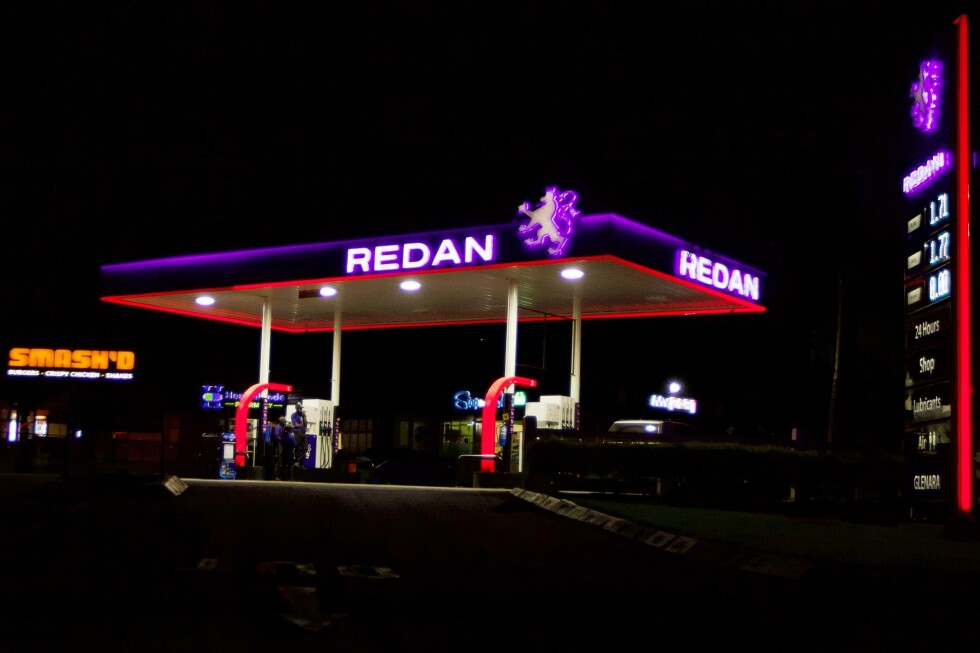
For Adegbola Isaac, a Lagos taxi driver, the impact is brutally tangible. During two separate visits to gas stations last weekend, he witnessed prices surge to 1,350 naira ($0.99) per liter—a nearly 35% increase since the conflict’s onset. This spike has virtually eliminated his daily earnings. “It is hitting hard,” Isaac told The Associated Press, echoing the sentiments of countless Africans.
This latest crisis represents the third major global shock to batter Africa in recent years, following the COVID-19 pandemic and the Ukraine war. As the world’s fastest-growing continent—with a population rivaling China and India—Africa finds itself repeatedly at the painful receiving end of international disruptions, particularly regarding essential resources like fuel and fertilizer.
The dependency on imported refined oil products makes African nations exceptionally vulnerable. All of Kenya’s fuel originates from the Middle East, primarily the United Arab Emirates, with approximately 20% of the country’s fuel outlets already affected. Uganda’s fuel reserves were initially projected to last merely weeks, while South Africa, which sources significant quantities from Saudi Arabia, has seen diesel-dependent industries engage in panic-buying despite government assurances about strategic reserves.
Even Nigeria, Africa’s largest oil producer, suffers from insufficient local refinery capacity and must import refined products from Europe. This structural weakness amplifies the continent’s exposure to global market fluctuations.
The ripple effects extend beyond transportation. Zimbabwe’s health workers have protested demanding wage increases as living costs skyrocket. In response, the government plans to increase fuel blending with ethanol from 5% to 20%—a measure that risks vehicle damage and increased pollution. Informal traders like Washington Nyakarize in Harare report avoiding peak travel hours due to prohibitive fares, consequently losing business opportunities.
According to a 2025 UN Trade and Development (UNCTAD) report describing Africa as “the epicenter of overlapping global crises,” fertilizer access across the continent—including conflict-ravaged nations like Sudan and Somalia—faces imminent threat. Kenya’s flower industry reports weekly losses reaching $1.4 million since the war began, attributed to declining demand and shipping disruptions.
Governments are scrambling for alternatives. Bloomberg reports several countries—including South Africa, Kenya, and Ghana—have approached Nigeria’s massive Dangote Refinery for fuel agreements. The facility recently completed sales of 12 shipments of refined petroleum products to Ivory Coast, Cameroon, Tanzania, Ghana, and Togo—marking its first large-scale distribution since reaching full capacity earlier this year.
However, energy experts caution that the Dangote Refinery could struggle to meet growing continental demand if expansion plans slow or crude oil supplies face disruption. “As long as there is a steady supply of crude oil, the refinery has the capacity to meet some of the needs,” noted Olufola Wusu, a Lagos-based oil and gas expert involved in reviewing Nigeria’s national gas policy.
The United Nations is pursuing diplomatic efforts to resume safe fertilizer transit through the Strait of Hormuz, hoping to build confidence for broader conflict resolution. Yet experts warn that prolonged hostilities could push Africa into uncharted territory. “If the conflict persists for another month or two, honestly, we’re going to be in unknown terrain that no one can really predict,” said Zainab Usman, a senior research scholar at New York’s Center on Global Energy Policy.