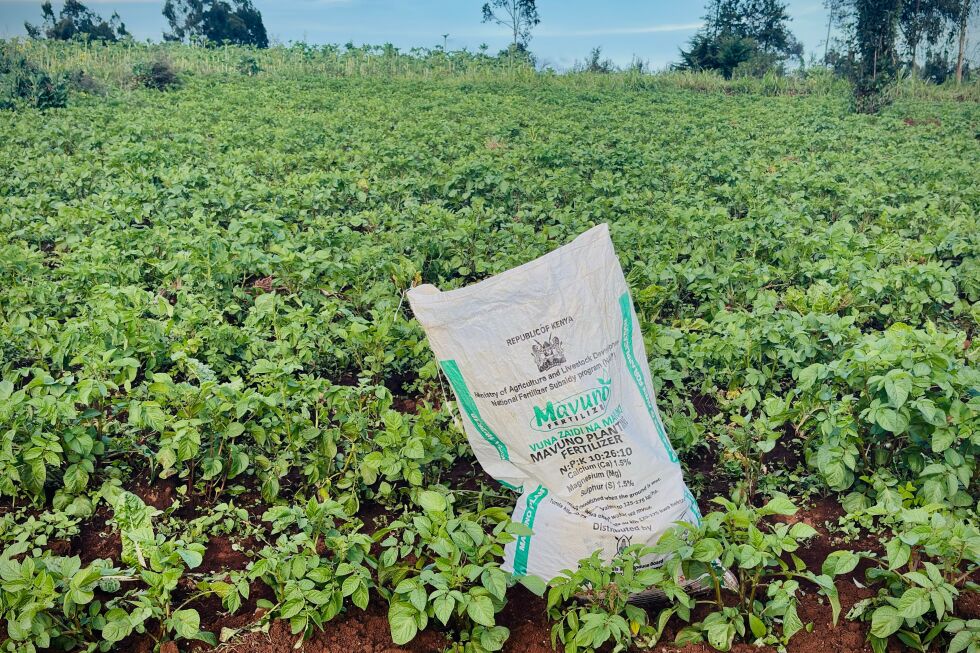
The ongoing conflict involving Iran has triggered severe disruptions to global fertilizer supplies, creating a cascading crisis that threatens agricultural productivity and food security worldwide. Tehran’s strategic restrictions on maritime traffic through the Strait of Hormuz—a vital passageway handling approximately one-fifth of global oil shipments and nearly a third of fertilizer trade—have precipitated sharp increases in gas prices and critical shortages of agricultural nutrients.
This supply chain crisis arrives at the most inopportune moment for farmers across hemispheres, coinciding with crucial planting seasons. Nitrogen-based fertilizers, particularly urea, face the most severe constraints due to shipping delays and skyrocketing liquefied natural gas prices. According to CRU Group analysis, approximately 30% of global urea trade has been restricted, with phosphate supplies—essential for root development—also experiencing significant pressure.
The timing couldn’t be more disastrous, as agricultural expert Raj Patel emphasizes: “The planting season is now. The fertilizer isn’t there.” This shortage hits developing nations with particular severity. Ethiopia, which sources over 90% of its nitrogen fertilizer from the Gulf via Djibouti, faces critical shortages that could devastate harvests.
Even developed agricultural systems are feeling the strain. In Europe and the United States, where main planting activities are underway, farmers report urgent needs for nitrogen applications to ensure proper crop development. Agricultural engineer Dirk Peters notes that immediate nitrogen application is crucial for crops “to get off to a good start, helping them establish themselves and build up reserves for harvest.”
The economic implications are profound. While current fertilizer prices remain below peaks seen during the Ukraine conflict, lower grain prices today mean farmers face tighter margins. Many may switch to less fertilizer-intensive crops or reduce application rates, inevitably decreasing yields and potentially driving consumer food prices higher.
Long-term solutions remain elusive. Major producers like China prioritize domestic supply, while Russian facilities operate near maximum capacity. Even after conflict resolution, analysts predict persistent challenges including heightened insurance costs and security concerns that may deter swift resumption of normal shipping through the Strait.
This crisis highlights the fragile interdependence of global food systems. As Hanna Opsahl-Ben Ammar of Yara International observes, stable fertilizer supply chains are essential for farmers to produce the food the world relies upon. The current situation may serve as a catalyst for reevaluating agricultural practices, with experts advocating for reduced dependency on imported fertilizers through organic alternatives and agroecological approaches to build more resilient food systems.