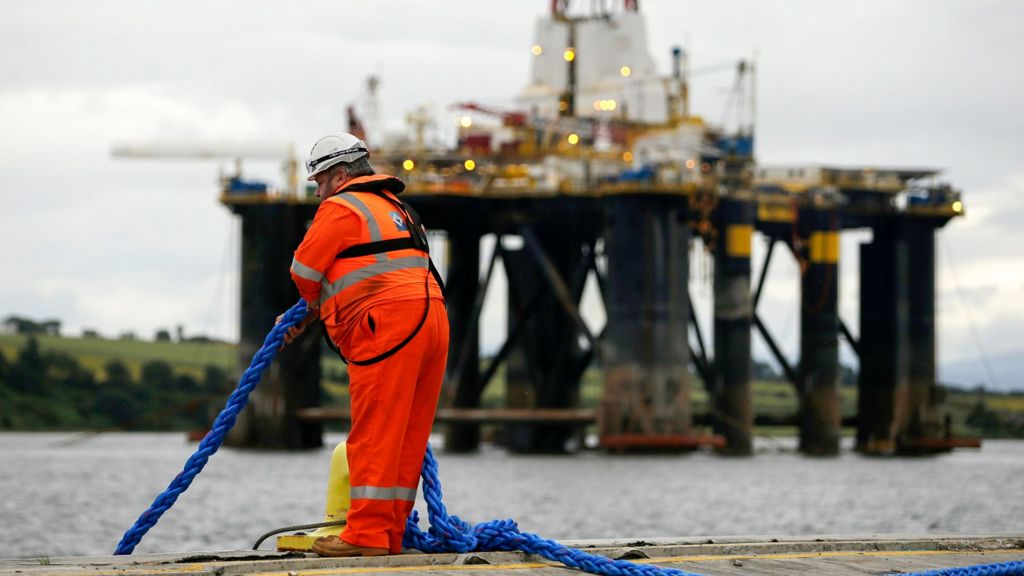
Britain’s offshore energy sector has issued an urgent warning about the nation’s growing dependency on imported fossil fuels during a period of heightened global instability. Offshore Energies UK (OEUK), representing the industry, contends that without increased domestic production, the UK faces significant vulnerability to international market fluctuations and supply disruptions.
The call for action comes amid sharply rising oil and gas prices following the US-Israel conflict with Iran and Tehran’s effective closure of the Strait of Hormuz—a critical chokepoint for global crude shipments. Industry leaders argue that recent events demonstrate how quickly energy markets can tighten and how cargoes can be diverted away from the UK when international buyers offer higher prices.
This appeal places the offshore energy industry in direct opposition to current government policy. The Labour administration has implemented a ban on new oil and gas field licenses in the North Sea, maintaining that domestic extraction “cannot give us energy security and will not take a penny off bills” since prices are set on international markets regardless of production origin.
Energy Secretary Ed Miliband recently emphasized to the BBC that the current crisis—which has seen oil prices surge by over 30%—reinforces the need for “home-grown, clean power that we control.”
However, OEUK’s newly released report presents a contrasting perspective, revealing that oil and gas still supply approximately 75% of the UK’s energy needs and are projected to meet about one-fifth of demand by 2050. The industry organization emphasizes that this is “not an either renewables or oil and gas scenario,” advocating for a balanced energy transition approach.
OEUK specifically calls for the government to reconsider its stance on offshore exploration licenses following last year’s ban. Currently, developers are restricted to increasing production only within existing licensed fields or adjacent areas to maintain viability.
The industry group also proposes eliminating the Energy Profits Levy (windfall tax) by 2026—four years ahead of schedule—and replacing it with an Oil and Gas Price Mechanism that would impose a 35% tax only when prices exceed certain thresholds. This change, they argue, would unlock £50 billion in new investment for UK oil and gas projects.
The political battle over energy policy intensifies as the Conservative Party prepares to use its Opposition Day debate in parliament to demand an end to both the windfall tax and the ban on new licenses. Additionally, they seek government approval for two Scottish oil and gas fields—Rosebank and Jackdaw—after a court blocked development last year due to inadequate environmental impact assessments.
Shadow Energy Secretary Claire Coutinho characterized rejecting domestic gas resources during a supply crisis as “sheer lunacy.”
Countering these arguments, University of Oxford researchers have challenged claims that increased domestic extraction would significantly reduce energy bills. Their findings indicate that even maximizing North Sea production and directly returning revenues to households would yield far smaller consumer savings than accelerating the transition to renewable energy.
Environmental organizations including Greenpeace UK have accused the industry of seeking to maximize profits during periods of price spikes and conflict. Mel Evans, head of climate at Greenpeace UK, stated that while policy changes wouldn’t reduce consumer costs, they would enable fossil fuel companies to “profiteer more than ever” during oil wars.