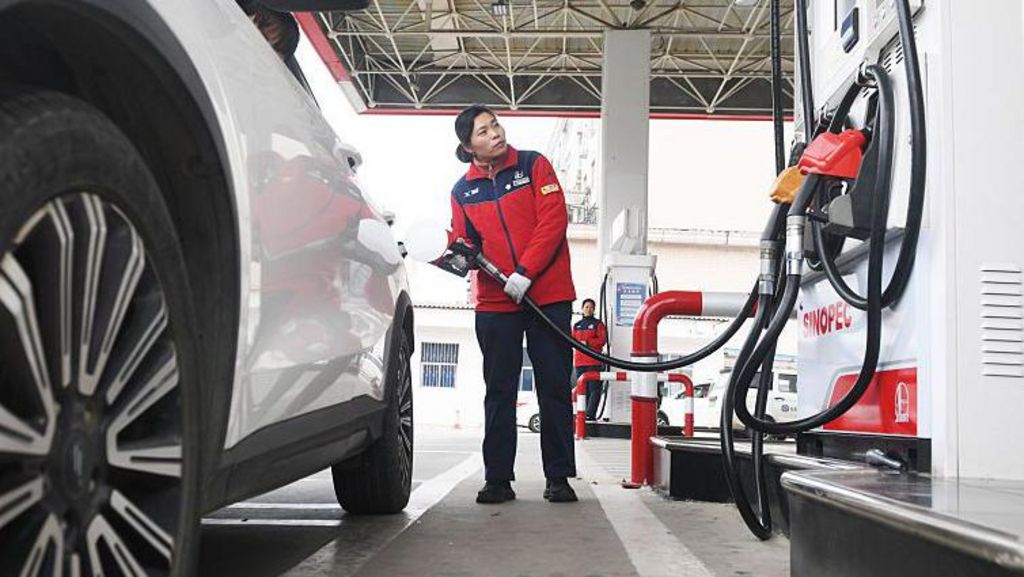
In an unprecedented move to alleviate economic pressure on consumers, China has significantly scaled back planned fuel price increases as global energy markets reel from the ongoing conflict in Iran. The National Development and Reform Commission (NDRC) announced Monday that originally scheduled hikes of 2,205 yuan per tonne for gasoline and 2,120 yuan for diesel would be nearly halved to 1,160 yuan and 1,115 yuan respectively, effective Tuesday.
The decision comes as Brent crude oil surged past $100 per barrel this week, with petroleum prices experiencing approximately 20% inflation since Iran’s effective closure of the Strait of Hormuz—one of the world’s most critical oil shipping corridors. This strategic waterway disruption has created supply chain chaos throughout Asia, particularly affecting nations like Japan and South Korea that depend heavily on Middle Eastern energy imports.
China’s intervention reflects both the magnitude of the crisis and Beijing’s strategic positioning. According to commodity analysts, China has methodically built one of the planet’s largest petroleum reserves, estimated at approximately 900 million barrels, leveraging years of favorable pricing and abundant Gulf state supplies. Customs data reveals a 16% year-over-year increase in crude purchases during January-February, with Iran—despite U.S. sanctions—remaining a crucial supplier of discounted oil to Chinese markets.
The government’s price moderation strategy extends beyond direct intervention. Reports indicate Chinese authorities have instructed domestic refineries to temporarily suspend fuel exports to stabilize local markets, while state media emphasizes the deployment of “temporary regulatory measures to mitigate the impact of abnormal international oil price increases.”
Across Asia, governments are implementing extraordinary measures to address the energy crisis. The Philippines has transitioned to a four-day workweek for government employees, while Sri Lanka has declared weekly Wednesday holidays for public institutions. Thailand and Vietnam have promoted widespread remote work policies, with Thai civil servants additionally instructed to suspend international travel and adopt energy-conscious workplace behaviors. Transport strikes have erupted in both Sri Lanka and the Philippines as operators demand fare revisions to compensate for soaring operational costs.
The situation remains particularly dire in Japan, where gasoline prices reached record highs of 191 yen per liter this week, and in South Korea, where President Lee Jae Myung has canceled international engagements to personally oversee emergency economic response measures.