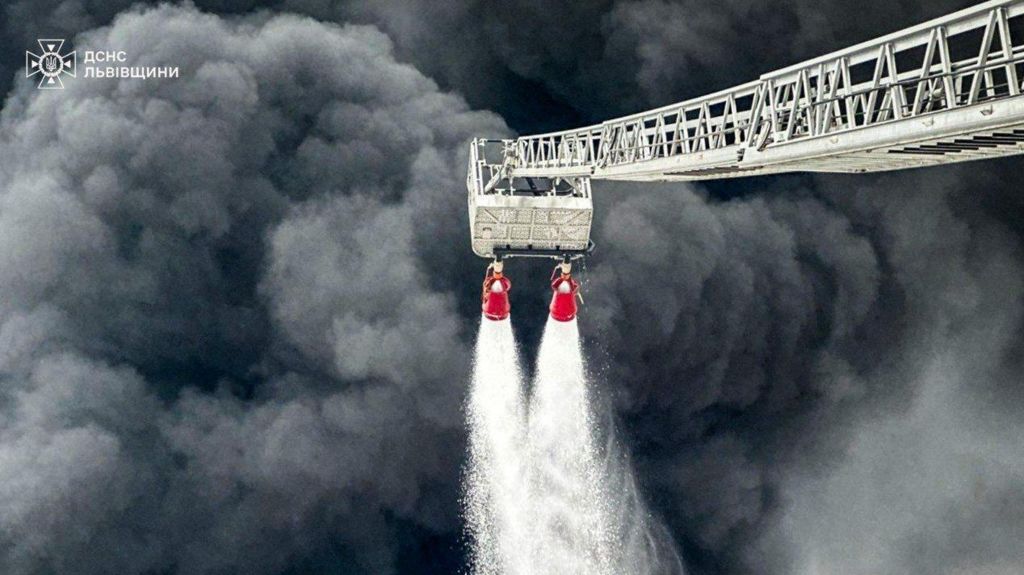
A critical €90 billion European Union loan package for Ukraine faces significant delays due to escalating tensions between Hungary, Slovakia, and Ukrainian authorities. The diplomatic impasse stems from damaged energy infrastructure at the Brody oil hub in western Ukraine’s Lviv region, which was severely compromised during Russian military operations on January 27th.
Satellite imagery analysis reveals extensive damage to the facility’s central storage tank, which holds 75,000 cubic meters of oil necessary for maintaining pipeline pressure. Ukrainian energy specialist Henadiy Ryabtsev indicates the fire persisted for approximately one week, potentially compromising peripheral systems including pumping mechanisms and pipeline integrity through extreme thermal exposure.
The Ukrainian Foreign Ministry maintains the restoration timeline reflects genuine technical constraints rather than political motivations. Spokesperson Heorhy Tykhy emphasized Ukraine’s limited resources amid continuous Russian assaults on energy infrastructure, noting repair crews face operational restrictions due to nocturnal aerial attacks.
European Commission President Ursula von der Leyen has committed technical assistance and financial support to accelerate repairs, with Ukrainian authorities accepting these resources. However, Hungarian Prime Minister Viktor Orbán’s administration alleges deliberate delays as retribution for Budapest’s Russia-friendly stance. Hungarian energy firm MOL contends pipeline operations remained functional days post-attack, citing successful transfer of 35,000 tons of crude oil.
Energy security complications extend to refining capabilities, as MOL facilities lack equipment to process non-Russian crude with reduced sulfur content. Hungary has initiated alternative shipments via the Adria pipeline from Croatia, sourcing Brent crude from Norway, Saudi Arabia, and Libya.
The situation underscores broader geopolitical fissures within the EU, demonstrating how individual member states can influence collective decision-making processes while highlighting the ongoing challenges of energy diversification away from Russian resources.