A comprehensive investigation has determined that a complex interplay of technical failures triggered the unprecedented electrical blackout that paralyzed Spain and Portugal for multiple hours on April 28, 2025. The European Network of Transmission System Operators for Electricity (Entso-e) released its final report on the incident, which it classifies as Europe’s most severe widespread power outage in two decades.
The crisis commenced shortly after midday when an uncontrolled and sudden voltage surge overwhelmed the Spanish grid. The report identifies this event occurring on ‘a day with multiple concurrent phenomena,’ leading to system instability and a cascading shutdown of power generation. Critical findings indicate that voltage controls from local energy generators were not fully synchronized with the grid operator’s requirements. In certain instances, reliance on manual voltage control resulted in dangerously slow responses to rapid network changes.
Compounding the problem, the Spanish grid operates with a wider voltage range than many neighboring European systems, leaving it with a limited safety margin to handle unexpected surges. According to the diagnosis, ‘the reactive power assets in the system were not able to address the sudden voltage rise,’ resulting in a complete collapse.
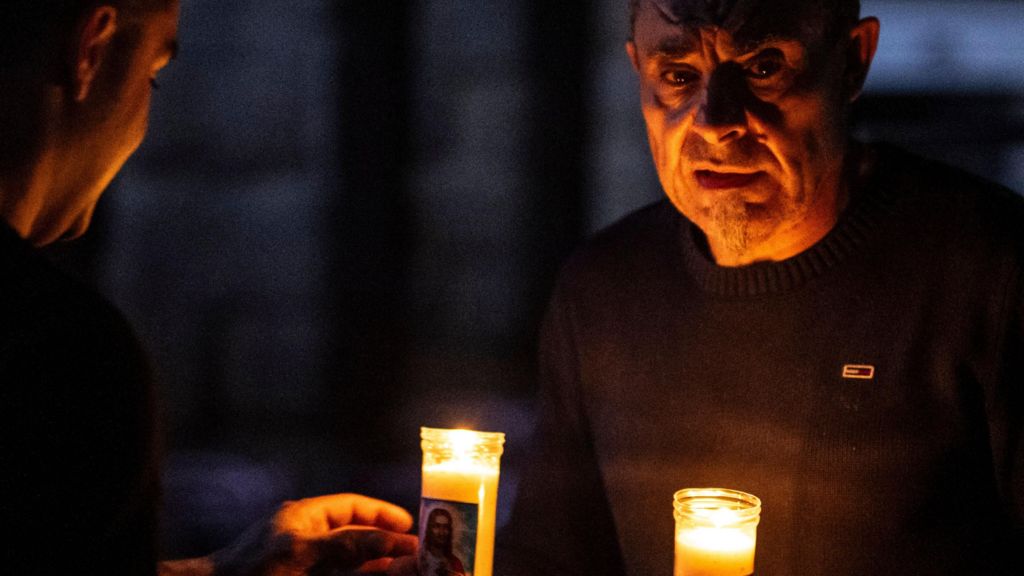
The blackout originated in Spain but immediately impacted Portugal due to the tightly interconnected nature of their power infrastructures. A small region in southern France near the border was also affected. The outage plunged the Iberian Peninsula into chaos: transportation hubs like Barcelona Sants railway station experienced severe disruptions, internet and telephone connections were severed, and operations ceased at schools, universities, and businesses. Full restoration of power took up to 16 hours in some areas.
The event ignited significant political controversy in Spain, with opposition critics questioning the government’s competence and challenging the nation’s heavy reliance on renewable energy, which accounts for nearly 60% of its electricity generation. A public dispute also erupted between the national grid operator, Red Eléctrica, and private energy companies over accountability.
Emphasizing its neutral technical role, the Entso-e report explicitly avoided assigning blame. Instead, it issued key recommendations to prevent future crises, focusing on enhanced coordination between transmission operators, distribution operators, and all other stakeholders within the energy ecosystem.