A controversial military operation along the Ecuador-Colombia border has generated serious allegations of human rights violations against local communities, with residents reporting bombings, home burnings, and detainee abuse. The offensive, conducted with United States support, targets drug cartels that have transformed Ecuador from one of Latin America’s safest nations into a major cocaine transshipment hub.
Eyewitness accounts from border villages describe a scene of devastation following March military actions. José Peña, 66, recounted hiding in bushes as Ecuadoran military helicopters approached before an explosion ‘shook everything’ and destroyed the farm where he worked. Visual evidence gathered by journalists shows three buildings reduced to rubble with scorched zinc roofing twisted among debris, dead animals scattered across properties, and charred vegetation.
The operation, dubbed ‘Total Extermination’ by President Daniel Noboa’s administration, targets Border Commandos guerrillas and other groups controlling smuggling routes connecting Colombian coca fields to international markets. However, residents insist security forces targeted civilian properties rather than drug production facilities, with community leader Vicente Garrido emphasizing these were ‘homes where we farmers live.’
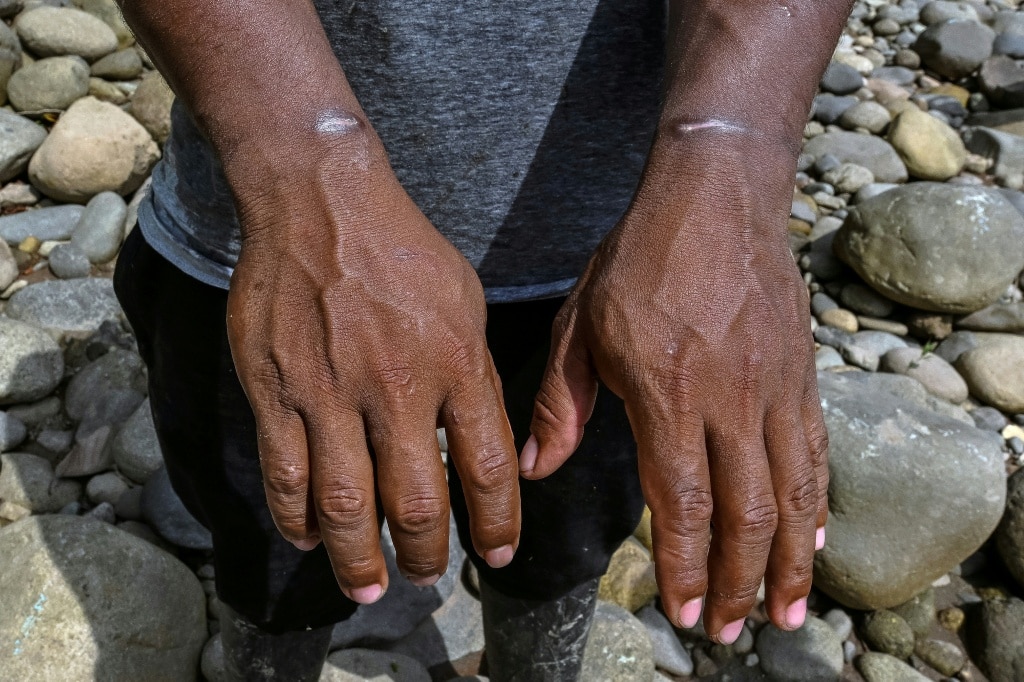
Disturbing allegations of detainee abuse have emerged, with 26-year-old Gilson Vargas describing being arrested with coworkers, blindfolded, kicked, and threatened before being transported to a military base. Lawyer Lina María Espinosa reported clients describing torture methods including near-drowning and electric shocks. While Ecuador’s government maintains its targets were part of illicit networks, it has not directly addressed specific abuse allegations.
The cross-border implications escalated when Colombian President Gustavo Petro alleged an unguided bomb fell into Colombian territory, which soldiers subsequently destroyed. Human Rights Watch has documented abuses since Noboa declared an internal armed conflict, though the government rejects these claims. The situation illustrates the complex challenges of combating sophisticated drug trafficking operations while protecting civilian populations in border regions.