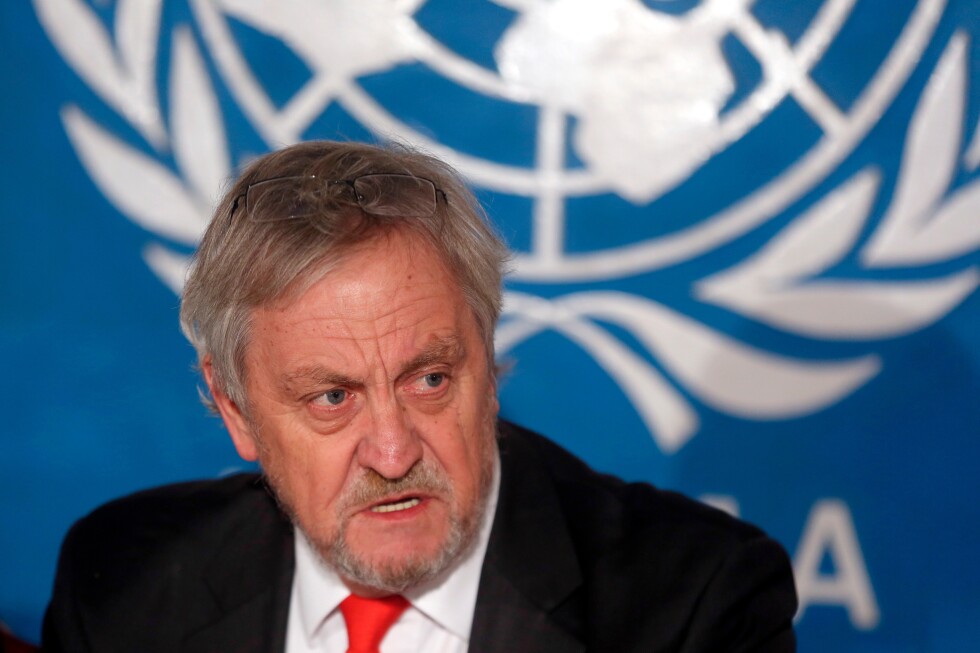
Nicholas Haysom, the eminent South African constitutional architect and United Nations diplomat whose legal expertise helped shape post-apartheid South Africa, has passed away at age 73 in New York following prolonged cardiopulmonary complications. His death was confirmed by his daughter Rebecca Haysom on Tuesday.
Haysom’s legacy spans continents and causes, most notably his foundational role as Chief Legal and Constitutional Advisor to President Nelson Mandela during South Africa’s democratic transition. He was instrumental in drafting the nation’s groundbreaking constitution that institutionalized equal rights for all citizens regardless of race—a document internationally acclaimed for its progressive vision.
Before his distinguished UN career, Haysom emerged from a liberal Durban family as a fierce opponent of apartheid. His activism led to multiple arrests and six months in solitary confinement around 1980. He later channeled this commitment into legal scholarship, becoming president of the anti-apartheid National Union of South African Students and eventually joining Mandela’s African National Congress Constitutional Commission.
UN Secretary-General António Guterres praised Haysom’s lifelong dedication to “justice, dialogue, and reconciliation,” noting his service in some of the world’s most challenging conflict zones including Afghanistan, Iraq, Somalia, and South Sudan. South African President Cyril Ramaphosa, himself a former anti-apartheid activist, remembered Haysom for applying “legal acumen, mentorship, wisdom and integrity to the development of our constitution.”
Haysom’s diplomatic career focused on resolving ethnic conflicts, from mediating Hutu-Tutsi violence in Burundi to facilitating North-South peace negotiations in Sudan. His approach recognized that sustainable peace requires constant engagement, noting that even successful agreements eventually face challenges.
He is survived by his wife Delphine, five children, and a global community of colleagues inspired by his perseverance in advancing human rights and constitutional democracy.