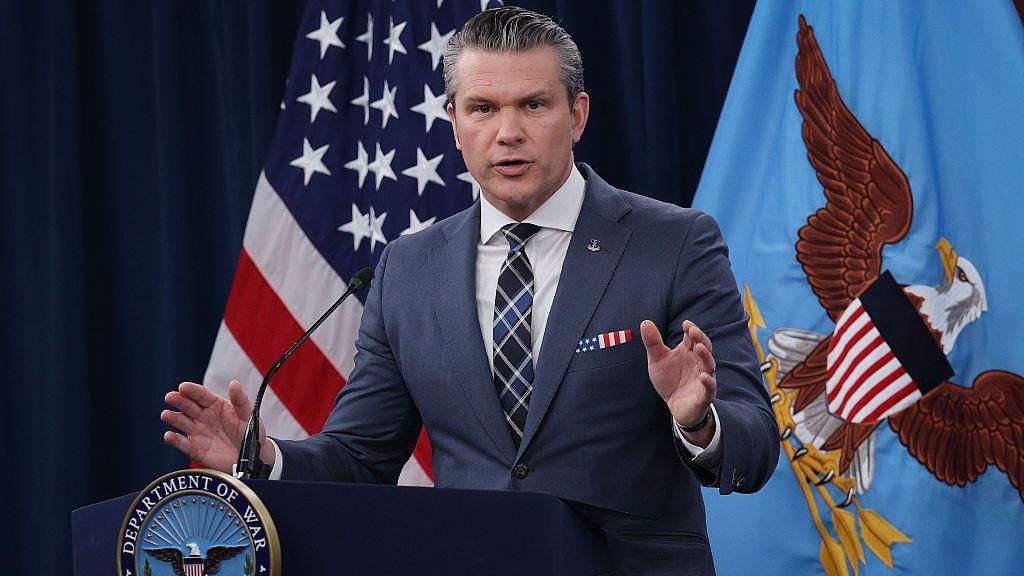
The Trump administration has formally requested an additional $200 billion in emergency funding from Congress to support military operations in Iran, significantly expanding the financial scope of the ongoing conflict. The substantial funding request comes as Defense Secretary Pete Hegseth offered a blunt justification to reporters, stating that operational success requires substantial resources, noting that “it takes money to kill bad guys.”
President Trump defended the massive funding increase during a White House briefing, characterizing the Iran conflict as a “very volatile war” that demands continued military investment despite previous suggestions of a swift conclusion to “Operation Epic Fury.” The administration cited multiple rationales for the funding, including ammunition replenishment and advanced military equipment procurement. Trump specifically noted that ammunition stockpiles had been diminished by substantial military aid provided to Ukraine in its conflict with Russia.
According to official figures, Congress has approved $188 billion in Ukrainian assistance since Russia’s February 2022 invasion, with approximately $110 billion already expended as of December. Trump’s economic adviser Kevin Hassett previously indicated the Iran conflict had already cost the U.S. approximately $12 billion.
The supplemental request would augment the Defense Department’s existing $838.7 billion annual budget approved in January. Republican House Speaker Mike Johnson acknowledged the substantial figure was “not a random number” and emphasized the need for adequate defense funding during dangerous global times.
Democratic Representative Jim Himes responded more cautiously, invoking legislative oversight principles by noting that congressional involvement should extend throughout conflict funding decisions. The funding debate occurs against a backdrop of economic uncertainty, with the Federal Reserve maintaining steady interest rates amid concerns that oil price increases stemming from the Iran conflict could exacerbate inflation.
The funding request sets the stage for a contentious legislative battle less than eight months before midterm elections, with polls indicating majority public disapproval of the Iran war. Democrats have sought to contextualize the massive military expenditure by comparing it to other budget priorities, including a previously proposed $35 billion health insurance subsidy extension and $100 billion in annual federal food assistance programs.
Pentagon officials have projected the Iran conflict could continue for four to six weeks total, with operations having lasted approximately three weeks thus far. While Republicans appear to have sufficient votes to approve the funding, the administration may face significant political consequences if the conflict and its accompanying economic disruptions persist.