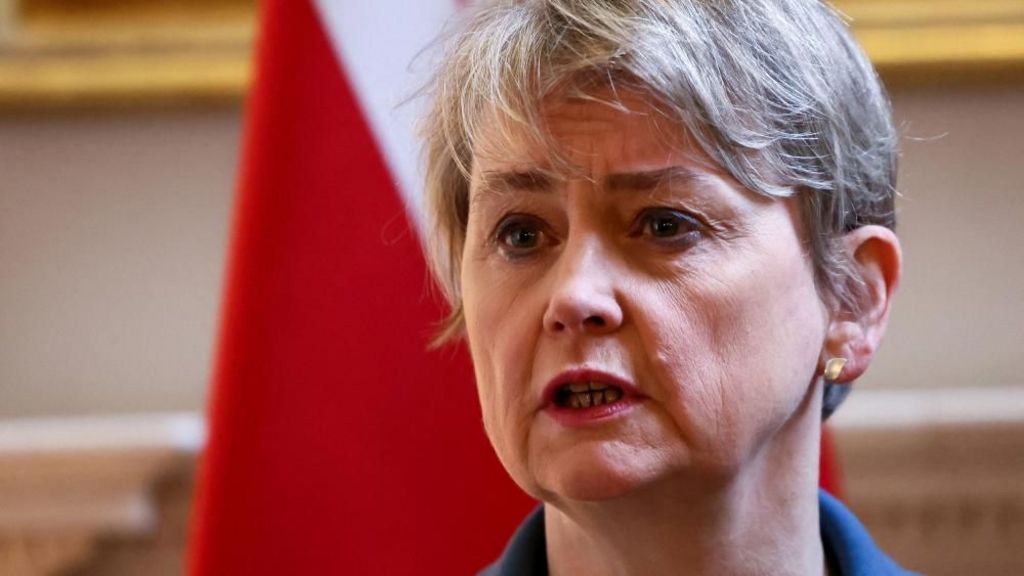
Foreign Secretary Yvette Cooper has unveiled a significant reallocation of Britain’s diminished overseas aid budget, prioritizing regions experiencing severe humanitarian crises and armed conflicts. Addressing Parliament, Cooper confirmed that Ukraine, Palestine, Lebanon, and Sudan would receive fully protected funding through the next fiscal year. Conversely, direct grants to nations including Mozambique and Pakistan face substantial reductions as part of a broader strategic pivot.
The policy shift follows the government’s controversial decision to redirect approximately £6 billion from international development toward defense spending by 2027. Cooper emphasized that while bilateral aid would be curtailed, support for established global partnerships such as the vaccine alliance Gavi would continue uninterrupted. Key priorities include stabilizing fragile states, combating gender-based violence, and addressing climate change impacts.
Cooper articulated a new philosophy of ‘partnership not paternalism,’ positioning the UK as ‘an investor rather than merely a donor.’ This approach aims to help recipient nations attract sustainable finance instead of perpetuating aid dependency. Countries like Yemen, Somalia, and Afghanistan will maintain humanitarian priority status but will see direct grants reduced in favor of multilateral program support.
The announcement sparked immediate criticism from development organizations and opposition lawmakers. Bond, a network of UK international development organizations, warned of severe cuts particularly affecting Middle Eastern and African nations. Labour MP Sarah Champion, chair of the international development committee, cautioned that reducing development funding could have ‘massive consequences,’ including increased migration pressures as people seek sanctuary from deteriorating conditions.
Liberal Democrat international spokesperson Monica Harding condemned the approach as ‘strategically illiterate,’ warning that geopolitical rivals like Russia and China might fill the vacuum created by UK withdrawal. Aid organizations expressed alarm over specific program cuts, including the discontinuation of direct polio eradication funding, though Cooper noted polio would continue to be covered under Gavi’s umbrella funding.
The aid reduction continues a trend begun by the previous Conservative government, which lowered spending from 0.7% to 0.5% of gross national income in 2021. Despite campaign promises to restore the higher benchmark, Labour has further reduced the target to 0.3% by 2027, estimated at approximately £9.2 billion. Current statistics reveal that 20% of the UK’s aid budget (£2.8 billion in 2024) supports asylum seekers within the UK during their first year of residence.