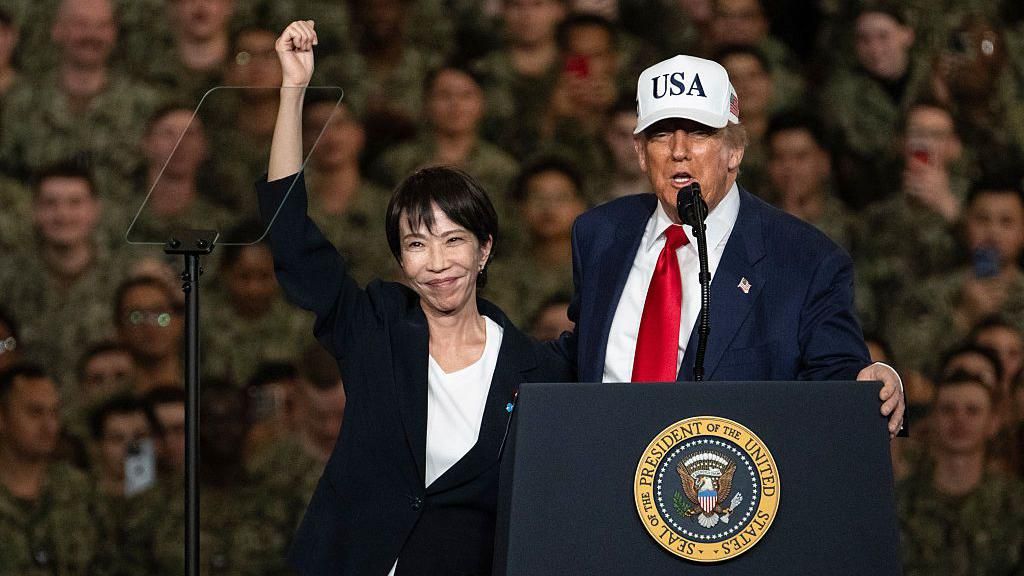
Japanese Prime Minister Sanae Takaichi embarked on a diplomatically delicate mission to Washington, characterizing her upcoming summit with U.S. President Donald Trump as potentially “very difficult” amidst escalating tensions in the Strait of Hormuz. The three-day visit, originally scheduled to strengthen trade relations and reinforce bilateral alliances ahead of Trump’s postponed China trip, has been fundamentally reshaped by recent geopolitical developments.
Takaichi articulated her strategic approach before Japan’s parliament, vowing to “maximize national interest” during negotiations. This commitment faces immediate testing as Trump recently retracted his controversial demand for allied military assistance in securing the vital oil transit corridor, despite initially emphasizing Japan’s substantial energy dependence on Middle Eastern shipments. Nearly 95% of Japan’s oil imports traverse the strategically critical strait.
The Prime Minister’s challenges are compounded by constitutional constraints—Japan’s post-war pacifist constitution strictly limits military deployment to self-defense scenarios. This legal framework, combined with overwhelming public opposition (82% according to Asahi Shimbun polling), creates significant political barriers to any proposed military cooperation.
Beyond immediate security concerns, the agenda encompasses multiple complex issues: China’s regional influence remains Tokyo’s “biggest strategic challenge” according to Council on Foreign Relations expert Sheila Smith, particularly following Takaichi’s controversial November remarks regarding potential self-defense force activation in Taiwan scenarios. Additionally, the leaders will discuss Japan’s prospective $25 billion participation in the U.S. Golden Dome missile defense initiative.
Trade negotiations present both opportunity and risk. While Takaichi prepares to announce approximately $100 billion in new U.S. investment projects following February’s tariff reductions on Japanese auto imports, the timing coincides with Washington’s newly initiated unfair trade practice investigations that could potentially trigger retaliatory tariffs.
Political analyst Koichi Nakano of Sophia University notes the meeting’s outcome hinges significantly on Trump’s unpredictable temperament, describing the president’s approach to alliances as “transactional.” Takaichi must navigate these uncertainties while preserving previously secured trade advantages and addressing Japan’s domestic economic pressures, including rising inflation and weak consumer spending.