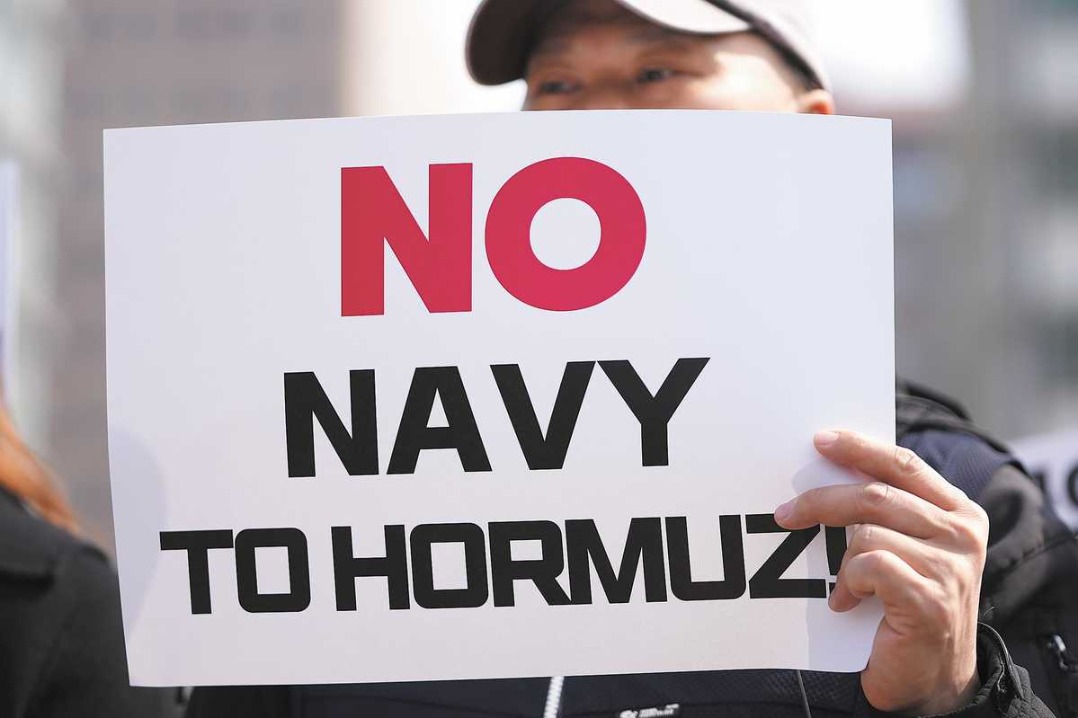
In a significant display of diplomatic resistance, multiple key U.S. allies have declined Washington’s urgent call for naval support in the Strait of Hormuz, creating tensions within international security partnerships. The rejection comes amid escalating Middle Eastern tensions and highlights growing divisions over military engagement with Iran.
President Donald Trump voiced conspicuous frustration during a Monday press briefing, explicitly criticizing nations that have benefited from American protection but demonstrated reluctance to participate in the proposed multinational security coalition. “Some are very enthusiastic about it, and some aren’t,” Trump stated, emphasizing that enthusiasm levels from protected allies would influence his future considerations.
The strategic waterway between Iran and Oman represents a critical global energy artery, facilitating approximately 20% of worldwide oil and liquefied natural gas shipments. Recent disruptions have triggered concerns about energy security and market stability, prompting the U.S. to formally request naval assistance from seven energy-dependent nations including China, France, Japan, and the United Kingdom.
International responses have revealed a pattern of cautious hesitation. Australia’s Transport Minister Catherine King confirmed no intentions to deploy vessels, while Japan’s Prime Minister Sanae Takaichi emphasized careful evaluation within legal frameworks. European powers demonstrated even stronger resistance, with German Defense Minister Boris Pistorius declaring “This is not our war” and Italian Foreign Minister Antonio Tajani advocating for diplomatic solutions over military escalation.
The United Kingdom has adopted a deliberative stance, with Energy Secretary Ed Miliband confirming consideration of “any options” while prioritizing multilateral coordination. Meanwhile, The Washington Post reported concerning casualty figures, with over 200 U.S. personnel wounded across seven Middle Eastern countries during recent military operations, underscoring the human cost of regional engagements.