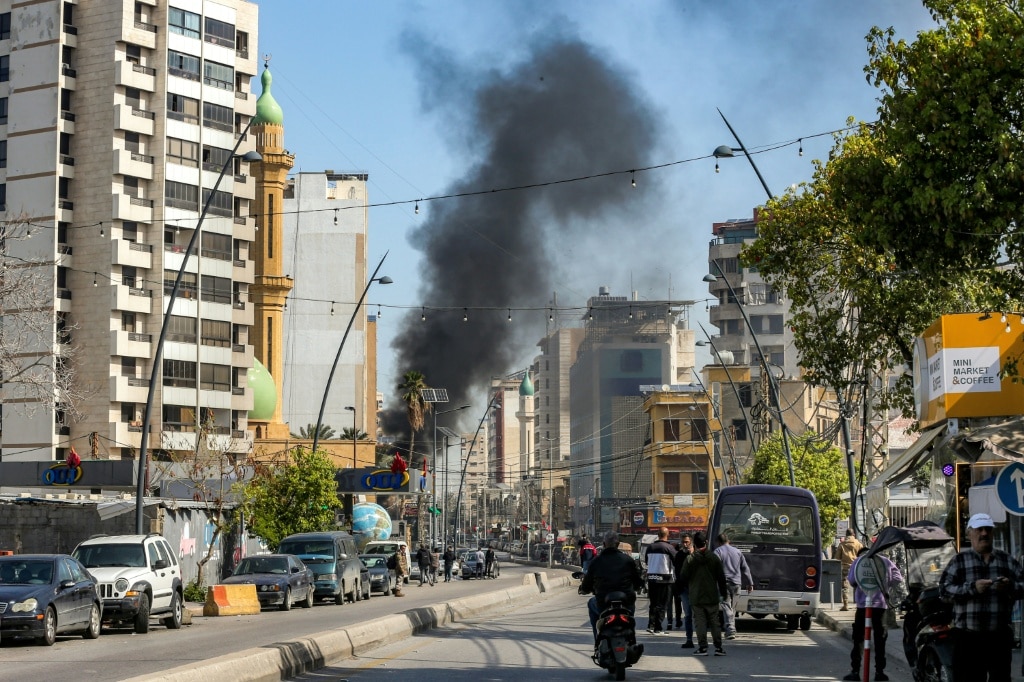
A relentless stream of vehicles extends along Lebanon’s southern coastline, carrying thousands of displaced civilians seeking refuge from escalating hostilities between Israeli forces and Hezbollah militants. The ancient port city of Sidon has become an unexpected sanctuary for those fleeing what Israel has designated as a red zone—a 14 percent segment of Lebanese territory south of the Zahrani River under urgent evacuation orders.
The humanitarian situation has reached critical levels with over one million Lebanese citizens forcibly displaced from their homes. Reception centers have exceeded capacity, forcing families to sleep in vehicles or along the seafront. Nidal Ahmad Chokr, a 55-year-old from Jibchit village, described his harrowing escape: “Bakers died while making bread in the village square and municipal workers were martyred while using bulldozers.” He fled with minimal possessions—only a towel, underwear, and essential medications.
Jihan Kaisi, director of an NGO assisting displaced persons, reported that Sidon’s schools are sheltering three times their intended capacity. “Families arrive with terrified eyes in the middle of the night,” she stated, visibly distressed about turning people away due to lack of space.
Safaa al-Tabl, a 37-year-old mother of five from Kharayeb village, recounted three days of continuous drone surveillance and attacks before her family’s escape. “They were targeting people, houses. It was all happening right in front of our eyes. I saw bodies,” she recalled emotionally, speaking about her tulip-filled home that represented her childhood memories and national identity.
The current conflict evokes traumatic memories of Israel’s 22-year occupation of southern Lebanon (1978-2000) and the destructive 2006 war. While Israel describes its ground operations as “limited,” many evacuees fear expanded military actions.
Mustafa Khairallah, an elderly man using canes, emphasized the unprecedented nature of this conflict: “In the south, we’re very resilient, we’re used to bombardments… Now they’re targeting civilians more and more.” His statement was punctuated by the sound of distant explosions near Sidon.
Economic realities prevent complete evacuation. Haidar Bitar, a 28-year-old entrepreneur from Nabatiyeh, explained that years of economic crisis have left many without resources to flee. “Before, rent was $100 or $200. Now, you have to pay $1,000 and three months upfront,” he noted, describing how the conflict has driven prices exponentially higher.
Despite the overwhelming force, Bitar expressed conviction that Israel cannot easily defeat Hezbollah: “They fight night and day. They know where to hide above and below ground.” The militant group, though weakened, has signaled preparedness for prolonged confrontation, maintaining significant support among its base.