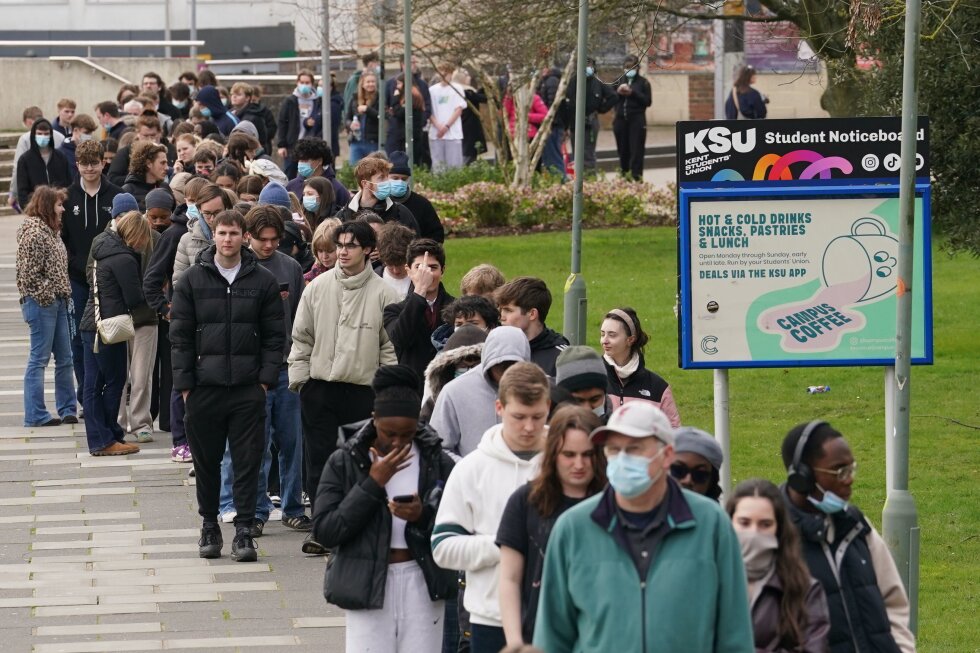
A severe meningitis outbreak in Kent, southeast England, has resulted in two fatalities and triggered an extensive public health intervention. UK Health Secretary Wes Streeting characterized the situation as unprecedented due to the rapid surge of cases, with the count rising to 20 confirmed infections within days of the first diagnosis on Friday.
The victims include a university student from the University of Kent and a pupil from a local school. In response, health authorities have implemented emergency measures, distributing thousands of antibiotic doses and vaccinations to students at the Canterbury campus. The outbreak has been traced to a bacterial strain, specifically meningococcal sepsis, which causes infection of the brain and spinal cord membranes and can prove fatal without prompt treatment.
Epidemiologists identified a potential super-spreader event at Club Chemistry, a nightclub in Canterbury, between March 5-7. Many of those affected attended the venue during this period. Nationwide medical professionals have been instructed to provide antibiotics to anyone who visited the club on those dates, regardless of their current location.
Meningitis, though rare in the UK with approximately 350 annual cases, spreads efficiently in densely populated environments like university accommodations. The bacteria can remain dormant in the nose or throat, transmitting through respiratory droplets or close personal contact.
Amid heightened public anxiety, reminiscent of COVID-19 precautions, some residents have resumed mask-wearing and social distancing. Health officials emphasize that antibiotics remain the primary tool for containment, with over 2,500 doses already administered. Vaccinations targeting the meningitis B strain are also being offered, though availability through private pharmacies has been limited.
With an incubation period of up to 14 days, additional cases are anticipated. However, scientists have not yet determined if this strain exhibits heightened virulence. Health Secretary Streeting assured the public that the outbreak does not currently constitute a national incident, expressing confidence in containment measures preventing wider dissemination.