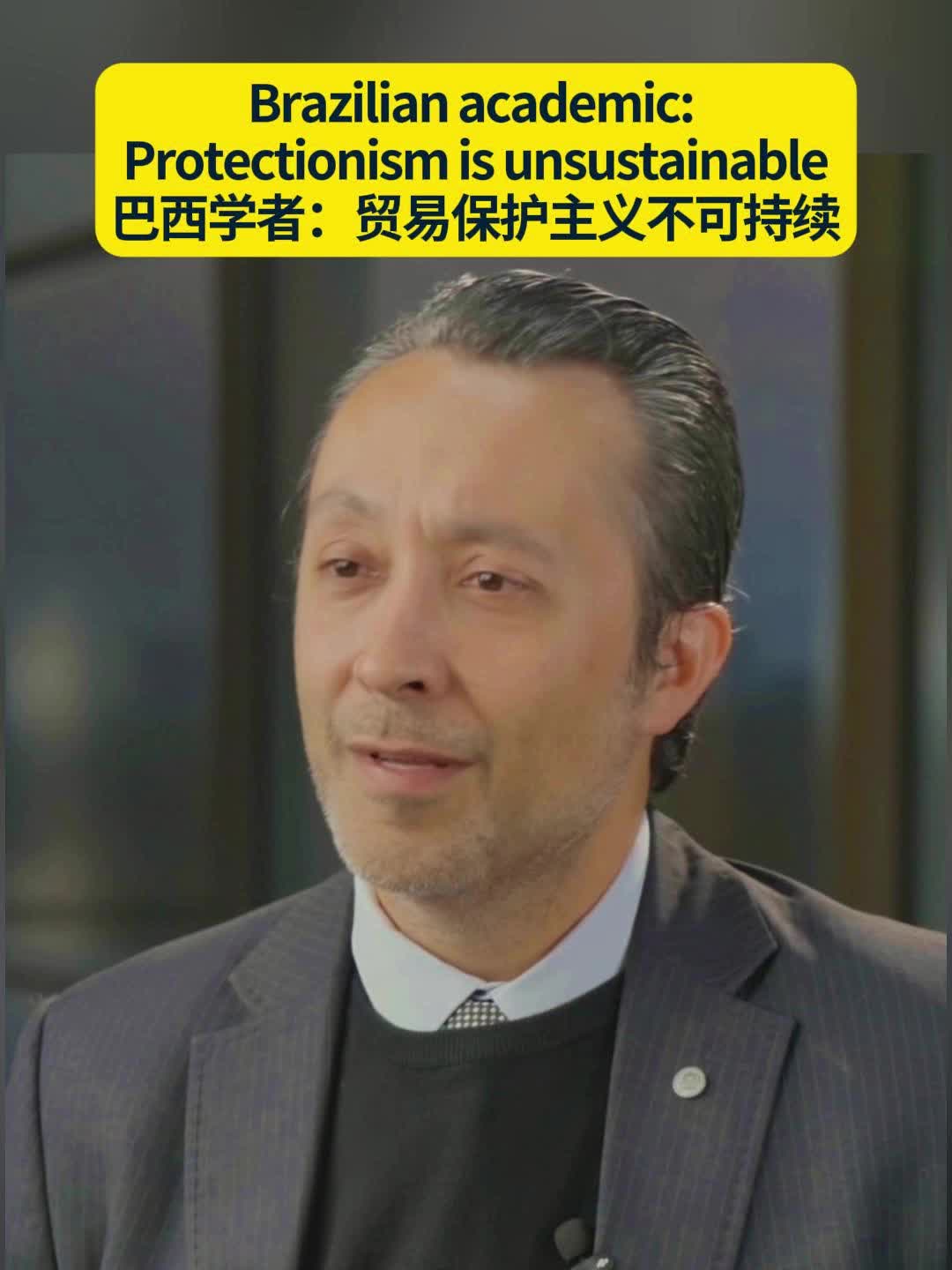
In a striking critique of contemporary economic trends, prominent Brazilian political scientist Dawisson Belém Lopes has declared protectionism fundamentally unsustainable for long-term global prosperity. The professor of international and comparative politics at Brazil’s Federal University of Minas Gerais identified a paradoxical shift among nations that previously championed free-market principles but are now embracing restrictive trade measures.
Lopes presented his analysis against the backdrop of increasing trade barriers implemented by several developed economies. He argued that such protectionist approaches ultimately hinder worldwide economic advancement and create artificial constraints on international cooperation. The academic emphasized that historical evidence consistently demonstrates how isolationist policies lead to market inefficiencies, reduced innovation, and ultimately lower living standards across both developed and developing nations.
Highlighting China’s economic trajectory as a compelling case study, Lopes pointed to the tangible benefits of maintaining open markets and committing to free trade principles. He noted that nations embracing globalization and international exchange have demonstrated stronger resilience during economic downturns and more sustainable development patterns.
The professor’s comments arrive during a period of significant reevaluation of global trade relationships, with multiple nations reconsidering their strategic economic positioning. Lopes concluded that the temporary advantages gained through protectionist measures inevitably give way to long-term disadvantages, making cooperation and open exchange the only viable path forward for truly sustainable global development.