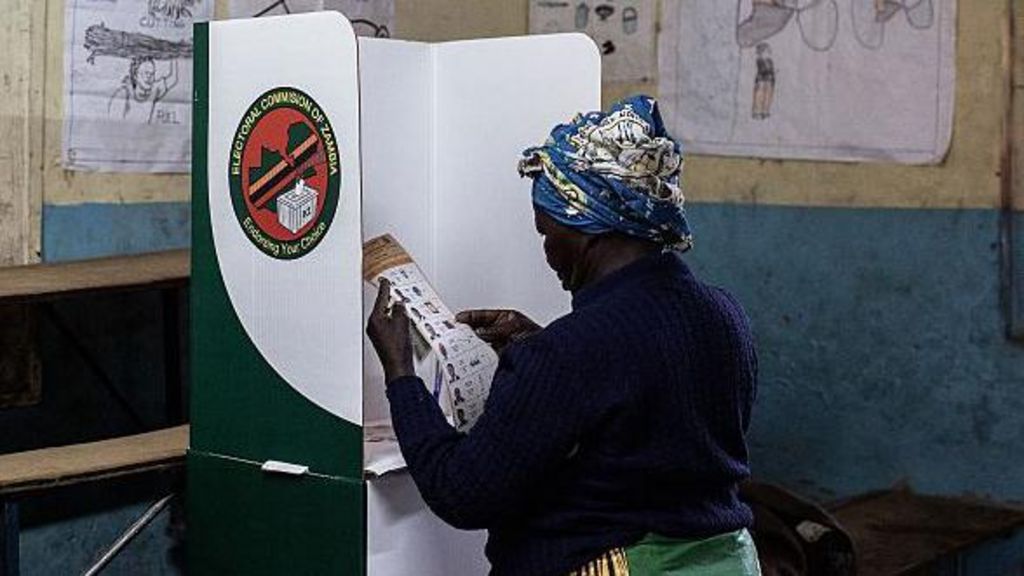
A senior Zambian gender official has exposed disturbing allegations that female political aspirants are being pressured to provide sexual favors in exchange for party nominations ahead of the August general elections. Mainga Kabika, who heads the gender office within Zambia’s presidency, publicly urged aspiring female candidates to document all instances of such misconduct during a conference with state prosecutors on Monday.
While Kabika refrained from identifying specific political parties involved, she confirmed receiving numerous messages from women reporting these exploitative practices. “I can verify that I am presently receiving extensive documentation regarding these demands for sexual favors in exchange for candidate adoption,” Kabika stated, emphasizing the unacceptable nature of these transactions.
This revelation highlights Zambia’s profound gender imbalance in political representation, where women constitute merely 15% of parliamentary seats. Presidential office statements have previously acknowledged that this underrepresentation stems from “deep-rooted cultural and structural barriers.”
Beauty Katebe, Chairperson of the Non-Governmental Gender Organisations Coordinating Council, characterized these practices as “sextortion” and noted their chilling effect on women’s political participation. “This situation severely discourages women from engaging in politics, particularly as candidates,” Katebe told the BBC.
Despite some high-profile appointments including Vice-President Mutale Nalumango, gender disparities remain stark across Zambian leadership. Only 28% of civil service directors and five out of 36 state-owned enterprise CEOs are women.
Katebe advocated for legal reforms and specialized courts to expedite handling of harassment cases, noting cultural biases and victim embarrassment complicate reporting. “If perpetrators were exposed, these practices would certainly cease,” she asserted, blaming patriarchal tendencies within political structures for suppressing female participation.
The August 13 elections will determine Zambia’s presidency, parliamentary representatives, and local government officials amid these ongoing challenges to gender equity in politics.