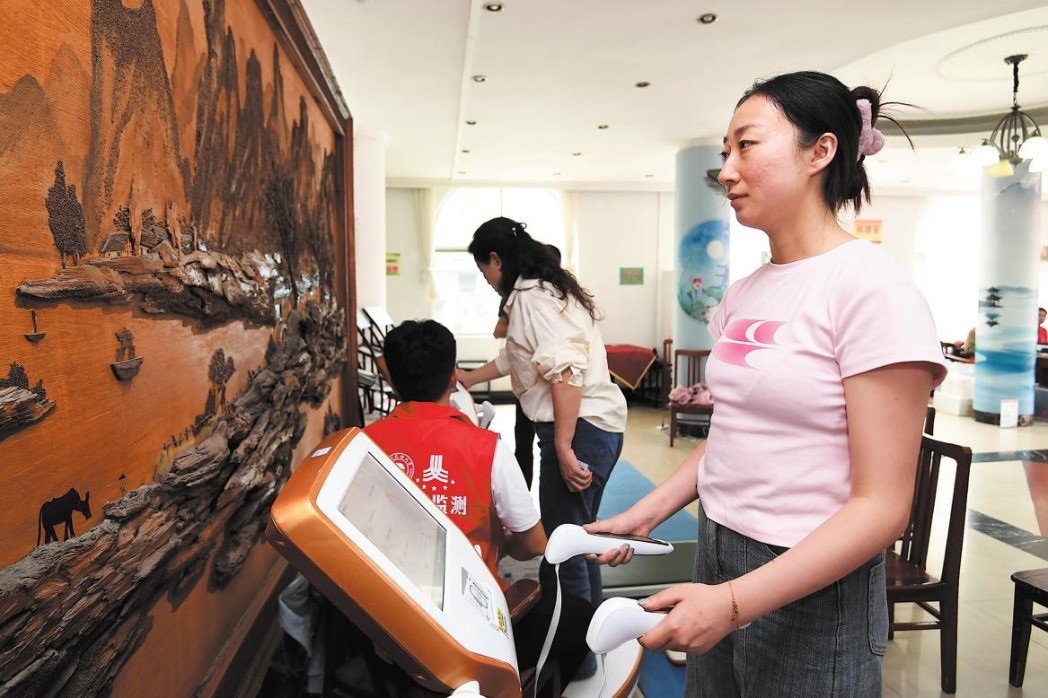
A significant health movement is gaining momentum among China’s younger generation as they proactively adopt low-sugar lifestyles long before medical necessity demands it. This preventive approach to wellness represents a paradigm shift in dietary consciousness, with urban professionals leading the charge through technological monitoring and nutritional awareness.
Zhang Huchuan, a 30-year-old freelancer from Hangzhou, exemplifies this trend. Her journey began eight years ago during her tenure as a medical science editor, where she first encountered research on sugar’s detrimental health effects. “My initial curiosity about why people needed sugar reduction evolved into a committed lifestyle choice after discovering the extensive negative impacts of excessive sugar consumption,” Zhang explained.
Unlike traditional diabetic patients who monitor glucose out of medical necessity, Zhang and her contemporaries use continuous glucose monitors (CGMs) as educational tools. These advanced devices track blood sugar levels at three to five-minute intervals, providing real-time data about how different foods affect the body. “For non-diabetics, permanent monitoring isn’t necessary—it creates unnecessary anxiety. I used CGMs temporarily to understand my metabolic responses,” Zhang noted, emphasizing the informational rather than medical application of the technology.
The practical implementation of this lifestyle maintains culinary enjoyment while optimizing nutritional balance. Zhang’s typical meals include wontons with poached eggs and milk for breakfast, followed by lunches and dinners featuring two meat dishes, two vegetable options, and rice consumed after other foods to moderate blood sugar spikes. She has replaced sugary beverages with light tea while maintaining flexibility for occasional treats.
This movement reflects broader societal shifts toward preventive healthcare among health-conscious urban Chinese youth. The approach demonstrates remarkable results, with adherents reporting maintained vitality and excellent physical examination outcomes even as they enter their fourth decade. “At 30, my physical condition rivals what I experienced in my twenties,” Zhang reported, highlighting the tangible benefits of her sustained dietary modifications.
The trend has implications beyond individual health, potentially influencing food service industries and public health policies as more young consumers demand vegetable-enhanced options even in traditionally carbohydrate-heavy regional cuisines.