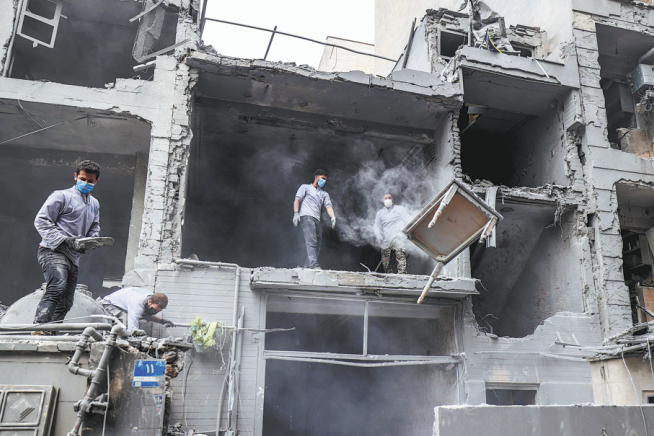
The strategic Strait of Hormuz has become the focal point of an escalating security crisis in the Persian Gulf, with Iran launching a diplomatic offensive urging regional neighbors to expel American military forces. The development comes more than two weeks after initial U.S. and Israeli strikes against Iranian targets prompted retaliatory attacks on Gulf military and economic assets.
Iranian Foreign Minister Seyed Abbas Araghchi characterized U.S. security guarantees as “full of holes” in a social media post, explicitly calling on “brotherly neighbors” to remove foreign aggressors whose primary concern he identified as Israeli interests. The rhetoric intensified as Iranian military spokesperson Ebrahim Zolfaghari designated the USS Gerald R. Ford carrier group and its support facilities in the Red Sea as legitimate targets, according to Al Jazeera reports.
Meanwhile, the United States faces diplomatic challenges in maintaining the critical waterway’s accessibility. President Donald Trump has pressured NATO allies and regional partners for naval assistance in securing the strait, though key allies including Japan and Australia have declined escort missions. In a Financial Times interview, Trump warned of NATO’s “very bad” future should allies refuse cooperation.
European foreign policy chief Kaja Kallas proposed adapting the Black Sea Initiative model—previously successful in facilitating Ukrainian agricultural exports during the Russia-Ukraine conflict—to ensure hydrocarbon transport through the strait. This proposal highlights growing international concern over potential disruptions to global energy supplies.
Tehran’s diplomatic posture appears calculated to reshape regional security architecture. Iranian envoy to Saudi Arabia Alireza Enayati told Reuters that Gulf relations require “serious review” to limit external influence, emphasizing that regional nations “are neighbors, and we cannot do without each other.” His comments advocated strengthened ties within the Gulf Cooperation Council framework, including UAE, Saudi Arabia, Bahrain, Oman, Kuwait, Qatar, Iraq and Iran.
West Asia analyst Nagapushpa Devendra of Germany’s University of Erfurt interprets Iran’s rhetoric as strategic narrative-building rather than immediate escalation. “Tehran frames the issue as external militarization of the Gulf driven by US and Israeli security priorities,” Devendra explained, noting that merely highlighting Iran’s ability to influence the critical energy corridor forces other states to treat it as an indispensable regional actor.
The security situation remains volatile with recent drone attacks near Dubai International Airport and Fujairah industrial area causing temporary flight suspensions and fires. Simultaneous hostilities continue with missile exchanges between Iran and Israel, airstrikes in Iraq, and renewed Israeli operations against Hezbollah in southern Lebanon.