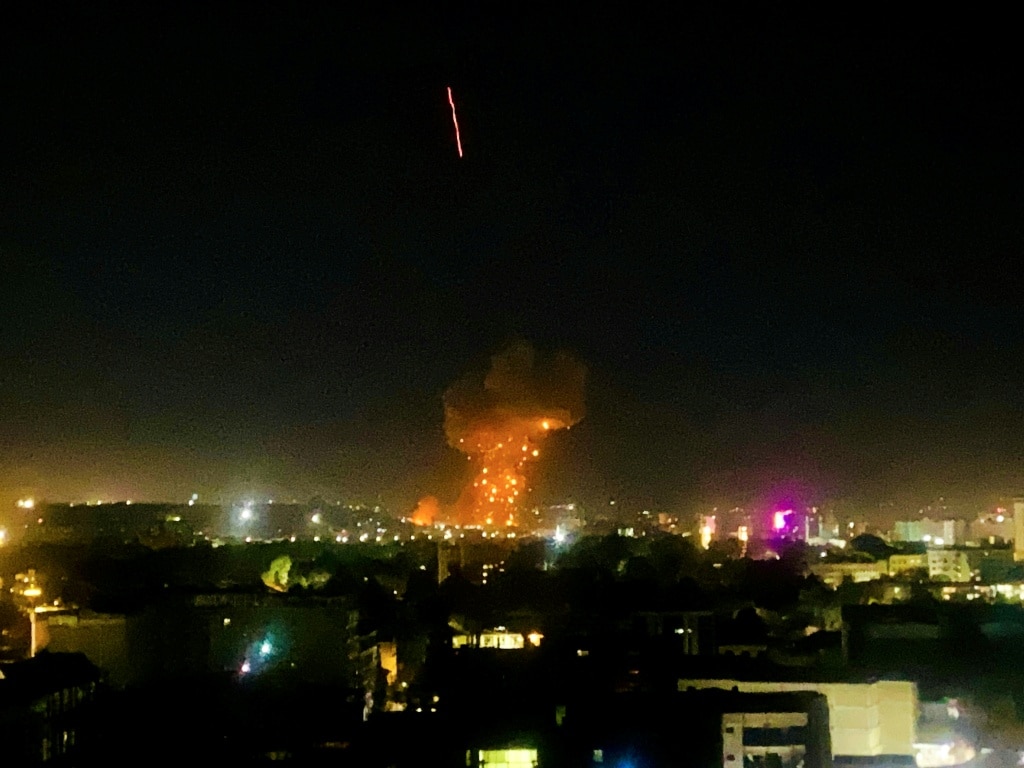
Afghan authorities have formally accused Pakistan of conducting aerial assaults on Kabul territory, marking a significant escalation in cross-border hostilities between the neighboring nations. The allegations follow a series of explosions that rocked the Afghan capital during evening hours on Monday, triggering widespread panic among civilians.
Multiple detonations occurred between approximately 9:00 pm and 9:15 pm local time, with visible smoke plumes rising from central districts including Shahr-e-Naw and Wazir Akbar Khan. Eyewitness accounts describe scenes of chaos as families who had just broken their Ramadan fast scrambled for shelter, with many seeking protection in basement facilities as anti-aircraft defenses engaged.
Taliban government spokesman Zabihullah Mujahid issued an official statement via social media platform X, characterizing the incident as both a territorial violation and ‘an act of inhumanity.’ Mujahid specifically claimed the strikes targeted a civilian drug rehabilitation center, resulting in multiple fatalities, though independent verification remains pending. Pakistani military officials offered no immediate commentary when contacted by international media.
This incident represents the latest development in a deteriorating border conflict initially sparked by Pakistan’s allegations that Taliban authorities provide sanctuary to extremist elements conducting cross-border operations. The confrontation first intensified in October with significant casualties, temporarily subsided, then reignited in February with increased severity.
According to United Nations documentation, at least 75 Afghan civilians have perished since the conflict escalation began on February 26. Most recently, provincial officials reported three children and one woman killed during overnight shelling in eastern border regions between Sunday and Monday. Cumulative Afghan government figures indicate 18 civilian fatalities within the past week alone.
The humanitarian consequences continue to mount, with approximately 115,000 residents displaced from border regions according to UN refugee agencies. The World Food Programme has initiated emergency food distribution to over 20,000 affected families, warning that continued instability could push millions toward hunger. Distribution sites in eastern provinces like Paktia have seen displaced civilians gathering at dawn to receive fortified biscuits and essential supplies.