The Israeli Defense Forces confirmed the initiation of targeted ground operations within Lebanese territory on Monday, marking a significant escalation in the ongoing conflict with Hezbollah militants. Military officials described these incursions as “limited” missions focused on dismantling terrorist infrastructure in southern Lebanon’s strategic strongholds.
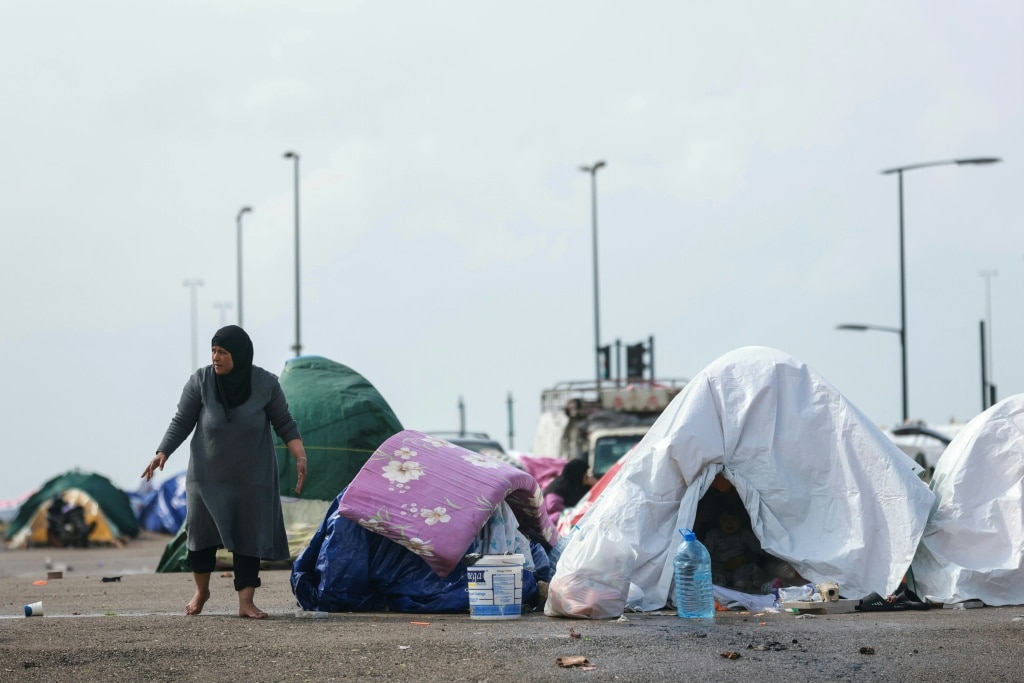
This development follows two weeks of intensified hostilities that have reportedly displaced over one million Lebanese citizens, with approximately 132,000 seeking refuge in collective shelters according to Beirut’s estimates. The Lebanese National News Agency documented continuous Israeli strikes across southern regions, with official reports indicating 886 fatalities, including 111 children, since fighting commenced on March 2.
The current confrontation originated when Hezbollah, backed by Tehran, launched attacks against Israel in retaliation for the elimination of Iranian Supreme Leader Ayatollah Ali Khamenei during joint US-Israeli operations. Israel responded with comprehensive aerial bombardments before progressing to ground maneuvers.
Military spokesman Lieutenant Colonel Nadav Shoshani disclosed that operations target new locations where Hezbollah’s elite Radwan unit allegedly positions threats against Israeli civilians. “We understand Hezbollah is intending to expand their operations… firing hundreds of rockets daily,” Shoshani stated, emphasizing the defensive nature of these missions.
Hezbollah countered with rocket and drone attacks on northern Israel, striking the city of Nahariya where emergency responders treated one individual for blast injuries and six others for smoke inhalation. An AFP correspondent observed smoke rising from Khiam following Israeli bombardment, where Hezbollah reports direct clashes with Israeli forces.
International reactions have emerged strongly, with Turkey condemning the ground operation as worsening regional instability and potentially creating “another humanitarian catastrophe.” German Chancellor Friedrich Merz cautioned Israel against this path, labeling it “an error.”
Israeli Defense Minister Israel Katz declared that displaced Lebanese would not return south of the Litani River until security guarantees for northern Israeli residents are established. Notably, Israel has not implemented evacuations in its northern territories despite the intensified conflict, diverging from previous engagement protocols.