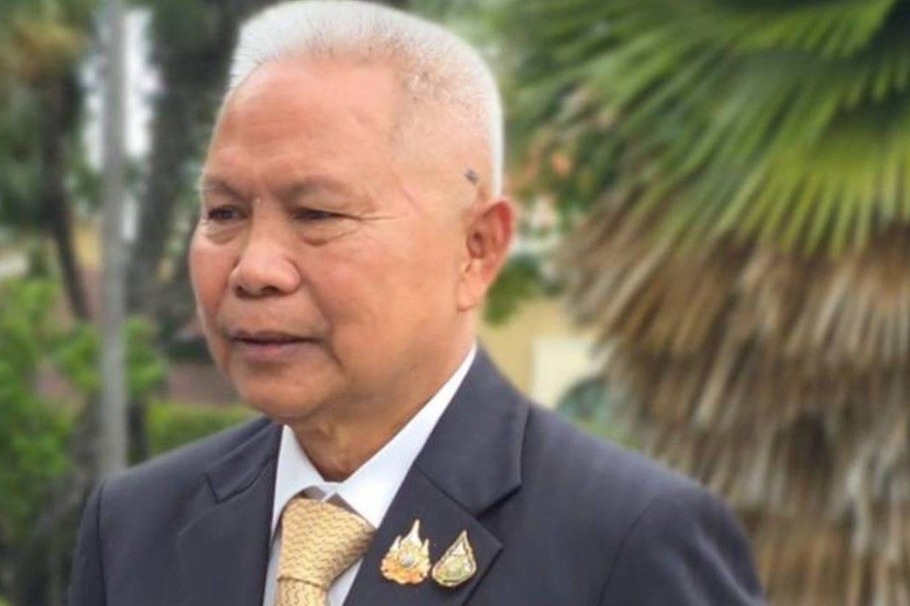
Thailand’s political landscape witnessed a significant milestone on Sunday as the House of Representatives elected Sophon Saram as its new speaker, marking the inaugural step toward establishing a new government. The Bhumjaithai Party parliamentarian secured the position with an overwhelming 289 votes, defeating his rival Parit Wacharasindhu from the People’s Party, who garnered 123 votes.
Sophon Saram brings extensive governmental experience to his new role, having previously served as transport minister, deputy prime minister, and chairman of multiple parliamentary committees. In his inaugural address, the newly elected speaker outlined his vision for a proactive legislative body committed to modernizing obsolete laws, strengthening executive oversight, and rebuilding public confidence in Thailand’s political institutions.
The election process featured both candidates presenting their governance philosophies before representatives proceeded with an anonymous ballot. The Bhumjaithai Party further consolidated its parliamentary influence with Mallika Jiraphanwanich elected unopposed as first deputy speaker, while Lertsak Phattanachaiyakul of the Pheu Thai Party assumed the position of second deputy speaker.
This leadership selection represents a critical assessment of coalition stability, with the ruling alliance reportedly commanding approximately 291 seats in the 27th House of Representatives. Bhumjaithai Party leader Anutin Charnvirakul confirmed the coalition’s numerical strength to effectively manage both legislative affairs and national administration.
Political analysts emphasize that the speaker’s primary responsibility will involve orchestrating parliamentary procedures and convening the prime ministerial vote scheduled for Thursday. A seamless transition is anticipated to signal political stability, potentially reducing investment risks and enhancing business confidence.
Meanwhile, experts warn that the incoming administration must navigate complex challenges including geopolitical tensions, trade conflicts, and rapid technological transformation. Thailand Development Research Institute President Somkiat Tangkitvanich identified additional domestic constraints such as sluggish economic growth, demographic aging, and systemic corruption.
The tourism sector specifically requires policy consistency, according to Tourism Council of Thailand President Chai Arunanondchai, who noted four different ministers had overseen the industry in the past year alone. Stable governance is considered essential for restoring the tourism sector’s growth trajectory amid global economic uncertainties.