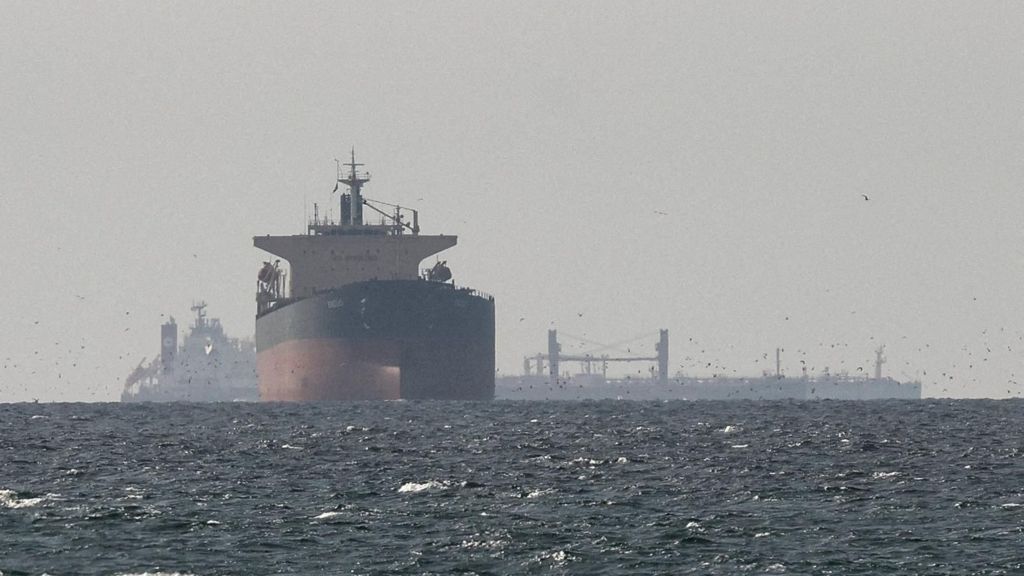
Former US President Donald Trump has issued a forceful appeal for a multinational naval coalition to secure the strategic Strait of Hormuz, following a series of attacks on commercial shipping that have disrupted global oil supplies. In posts on his Truth Social platform, Trump specifically called upon the United Kingdom, China, France, Japan, and South Korea to deploy warships to safeguard this critical maritime corridor.
The urgency of Trump’s request stems from escalating hostilities between the US-Israel alliance and Iran, which have transformed the world’s busiest oil shipping channel into a conflict zone. Since the war began on February 28th, UK Maritime Trade Operations has documented at least 16 attacks on vessels in and around the strait, through which approximately 20% of global oil shipments typically pass.
Tehran has explicitly stated its intention to maintain a blockade of the waterway as part of its military strategy. Iranian officials have warned that any tanker bound for the US, Israel, or their partners constitutes a legitimate target. This declaration came alongside intensified attacks on energy infrastructure throughout the Gulf region.
Trump’s rhetoric remained characteristically combative, asserting that while “100% of Iran’s military capability” had been destroyed, the nation still posed a threat through potential drone attacks, mine deployments, or close-range missile strikes. He promised continued US military action, including bombing Iranian shoreline positions and engaging Iranian vessels, while offering “a lot” of support to nations participating in the proposed coalition.
The UK Ministry of Defence responded cautiously, indicating they were discussing “a range of options to ensure the security of shipping in the region” with allied nations. This diplomatic language contrasted sharply with Trump’s previous comments, in which he stated he “couldn’t care less” whether allies contributed more to the war effort and accused UK Prime Minister Keir Starmer of seeking to “join wars after we’ve already won.”
International reactions revealed further complexities. French President Emmanuel Macron previously expressed willingness to deploy warships for escort missions, but only after the most “intense phase of the conflict” had concluded. Meanwhile, Liberal Democrat leader Ed Davey urged Prime Minister Starmer to resist pressure from Trump, emphasizing that deployment decisions should be based solely on UK national interests and subject to parliamentary approval.
The strategic implications are substantial. Currently, not even the US Navy is escorting tankers through the narrow shipping lane, reflecting the dangerous operational environment. The effective closure of the strait and attacks on energy infrastructure have already triggered significant increases in global oil prices, demonstrating the economic vulnerability created by the regional conflict.