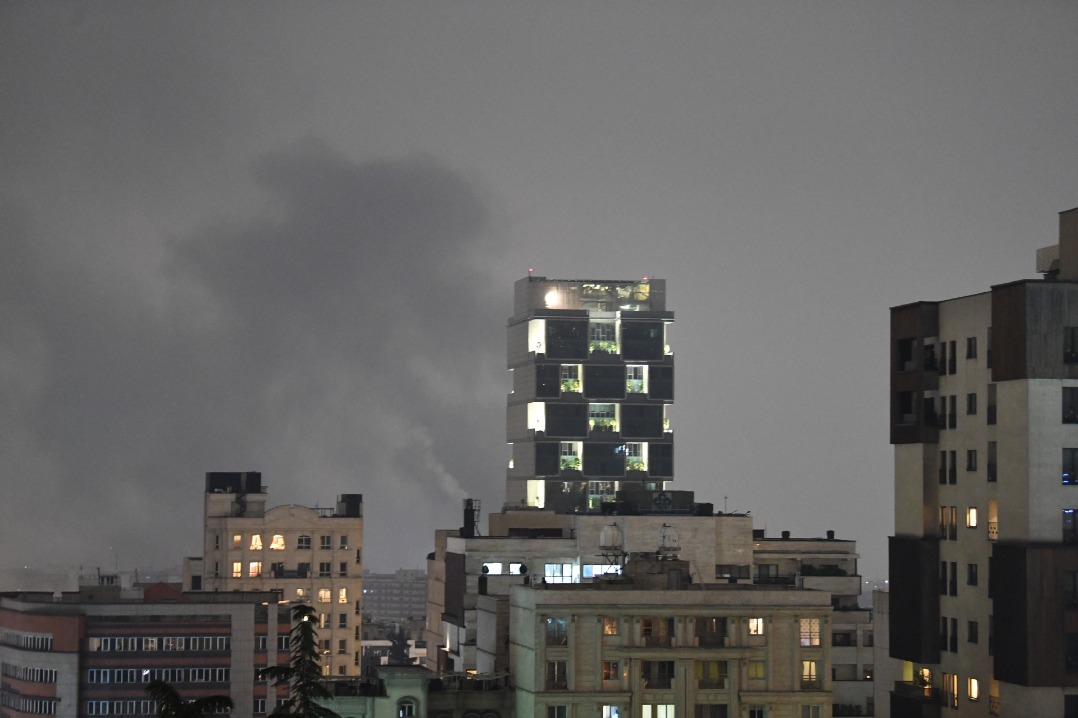
South Africa is preparing for significant economic repercussions stemming from escalating Middle East conflicts, with experts warning of sustained pressure on energy prices, supply chain logistics, and overall trade competitiveness.
According to Raymond Parsons, economics lecturer at North-West University Business School, the regional instability immediately raises red flags for global economic stability, though some nations face greater vulnerability than others. “Western Cape exporters and agricultural sectors are already reporting substantial logistical disruptions and rising input costs directly attributable to the Middle East conflict,” Parsons noted.
The shipping industry is experiencing pronounced cost-push inflation, as confirmed by the latest analysis from the South African Association of Freight Forwarders. Bunker fuel prices have surged amid global oil market volatility, while elevated war-risk premiums and conflict-related surcharges are driving up both import and export expenses. Compounding these challenges, extended voyage distances and scheduling disruptions have created growing capacity constraints, increasing inventory risks for traders nationwide.
Economist Dawie Roodt identified two critical domestic vulnerabilities exacerbating South Africa’s situation: diminished refinery capacity and uncertainties regarding strategic fuel reserves. The nation has become increasingly dependent on imported refined products, particularly diesel, which is experiencing global shortages. The Cape Chamber of Commerce and Industry reported diesel prices have increased by 62-65 cents per liter (approximately 3 percent), significantly impacting land-based freight transportation that dominates South African logistics.
Parsons referenced International Monetary Fund analysis indicating that oil prices reaching $100 per barrel could reduce global growth by 0.4 percent while adding 1.2 percent to worldwide inflation. As a net petroleum importer relying heavily on supplies from the United Arab Emirates and India, South Africa ranks among economies most exposed to energy market disruptions. The ultimate impact will depend on conflict duration, oil price sustainability, and which economies maintain substantial energy import dependencies.
The Department of Mineral Resources and Energy confirmed it is closely monitoring Middle East developments and their potential effects on global oil markets. Officials acknowledged that continued international crude price increases will likely result in higher pump prices starting April 2026.
Thembisa Fakude, director at Africa-Asia Dialogues think tank, warned that any disruption to the Strait of Hormuz would create ripple effects throughout South Africa’s economy, given the nation’s extensive trade relationships with Gulf countries already experiencing goods movement complications.