The fragile ceasefire in conflict-ravaged eastern Democratic Republic of Congo faces imminent collapse as government forces and Rwanda-backed M23 rebels exchanged accusations of violations on Friday. Both parties alleged breaches of the peace agreement designed to terminate decades of persistent fighting in the mineral-rich region.
The deteriorating situation casts serious doubt on both the ceasefire arrangement and a separate minerals access agreement between Congo and the United States, negotiated during the Trump administration. While former President Trump facilitated diplomatic efforts between Congo and Rwanda—considered an indirect yet pivotal actor in the conflict—and Qatar championed direct negotiations between the government and rebels, neither diplomatic channel has succeeded in halting hostilities.
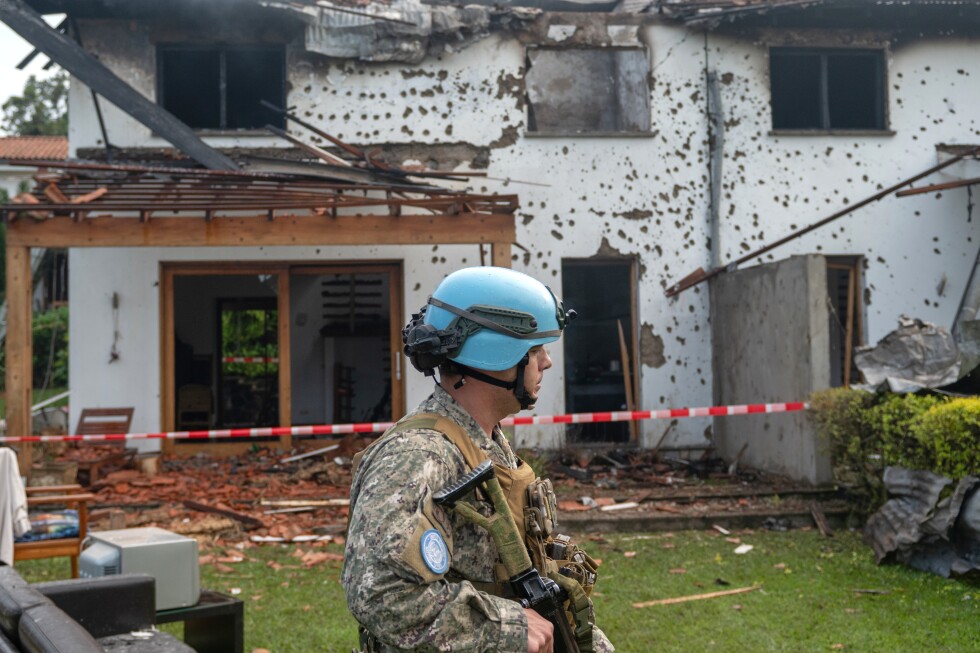
Tensions escalated dramatically on Tuesday when a drone strike in Goma, which M23 attributes to Congolese forces, killed a French United Nations staff member. This incident occurred less than four weeks after another aerial attack claimed the life of the rebel group’s spokesperson and wounded several others.
Ongoing clashes between M23 fighters and Congolese military forces, occasionally supported by local Wazalendo militia groups, continue to displace thousands of civilians according to resident accounts. Lawrence Kanyuka, M23 spokesperson, maintained the group’s commitment to peace processes provided government forces cease attacks on their positions and stop targeting leadership and civilians.
Congolese government spokesman Patrick Muyaya confirmed investigations into the fatal strike that killed the French aid worker while attributing ceasefire violations to rebel forces. Muyaya simultaneously reaffirmed the government’s dedication to honoring the ceasefire terms.
The persistence of violence has exacerbated one of the planet’s most severe humanitarian emergencies, with over 7 million people displaced throughout eastern Congo. According to data from the U.S.-based Armed Conflict Location & Event Data project, approximately 60 drone strikes have been attributed to Congolese military forces in 2026, with rebels accounting for fewer than 5% of aerial attacks during the past year.
Christian Rumu of Amnesty International observed that local populations perceive no tangible improvements from peace agreements, noting that heavy artillery continues to be deployed in densely populated areas, as demonstrated by the recent Goma attack.