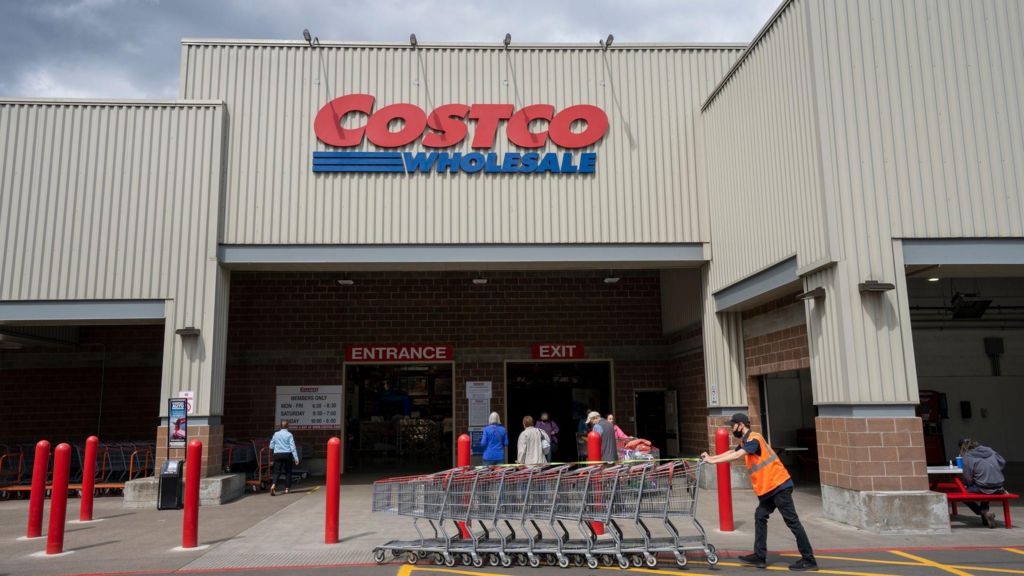
A significant legal challenge has emerged against retail giant Costco, initiated by customer Matthew Sockov through a proposed class action lawsuit. Filed in an Illinois federal court, the suit alleges that Costco stands to potentially recover its tariff expenses twice—first from consumers via elevated pricing and subsequently from government reimbursements. Sockov contends this constitutes ‘unjust enrichment’ and seeks judicial intervention to mandate refunds to affected shoppers.
This litigation arises amidst broader complexities surrounding approximately $166 billion in tariff reimbursements owed to U.S. companies. The refund obligation follows last month’s Supreme Court decision to invalidate numerous tariffs imposed during the Trump administration, which utilized the International Emergency Economic Powers Act (IEEPA) of 1977 to levy duties on imports from dozens of countries. The Court of International Trade has since directed the government to commence refund distributions, though operational challenges persist.
Goldman Sachs research cited in the complaint estimates consumers bore roughly two-thirds of the tariff burdens. With over 330,000 importers eligible for refunds, the Trump administration recently requested a 45-day period to develop an electronic processing system, warning that existing infrastructure could be overwhelmed by manual claims processing.
Costco, among thousands of enterprises seeking reimbursements, has not publicly commented on the lawsuit. However, CEO Ron Vachris recently told analysts the company remains uncertain about ‘what refunds, if any, will be received,’ noting that full tariff costs weren’t always passed to members. Vachris committed that if reimbursements occur, Costco would ‘return this value to our members through lower prices and better values’ with transparency.
Other corporations including FedEx have pledged to refund tariff reimbursements to affected clients, highlighting how businesses are navigating post-tariff financial reconciliation.