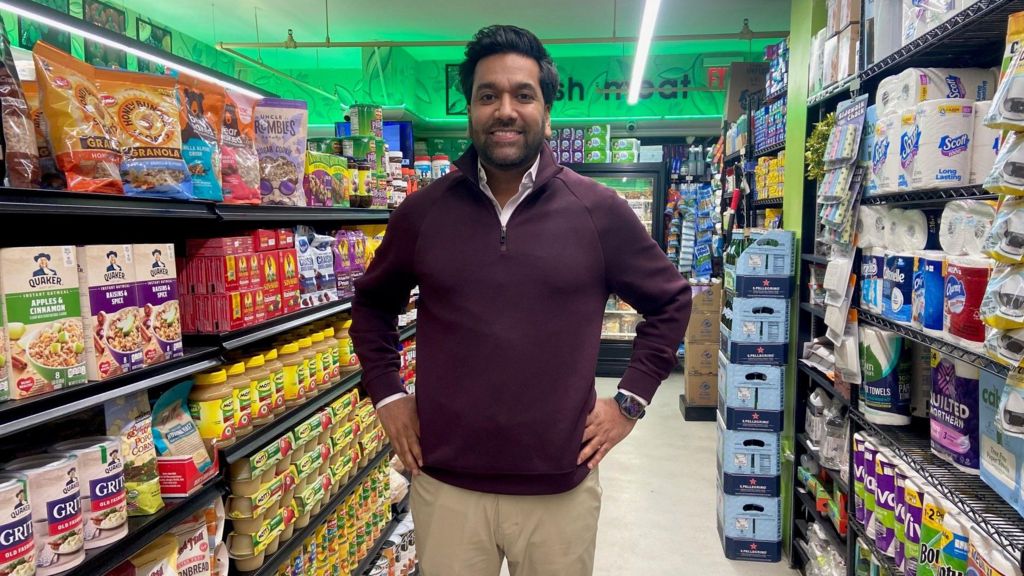
In the competitive landscape of American retail, independent grocery stores face an existential threat from pricing structures that favor large chain competitors. Alap Vora, proprietor of Concord Market in Brooklyn, New York, exemplifies this struggle as he navigates wholesale pricing disparities that undermine his ability to compete.
Vora’s experience reveals a stark market imbalance: while he pays approximately $5 wholesale for a box of Honey Bunches of Oats cereal, major chains retail the identical product at his wholesale cost. This pricing dynamic stems from direct manufacturer relationships and preferred pricing agreements accessible only to large-volume retailers, creating what experts identify as systemic price discrimination.
The scale of this challenge affects over 21,000 independent grocery stores across the United States, which collectively account for one-third of national grocery sales. Vora brought this issue to national attention through testimony before the US Senate Committee on Banking, Housing and Urban Affairs in May 2024, where he detailed ‘fluctuating, opaque pricing structures’ from distributors.
Industry analyst Katherine Van Dyck of KVD Strategies identifies this pricing inequality as a primary concern for small businesses across multiple sectors, including independent bookstores and locally-owned pharmacies. ‘When a grocer faces these pricing dynamics in an industry with razor-thin margins,’ Van Dyck notes, ‘it becomes incredibly difficult to compete and contributes to business closures.’
The recent revival of the 1936 Robinson-Patman Act represents a potential legislative solution. This Depression-era legislation, dormant for decades, prohibits sellers from offering preferential prices to certain buyers while excluding others. The Biden administration initiated enforcement through lawsuits against major distributors, though outcomes remain mixed under subsequent administrations.
Legal scholars like NYU’s Daniel Francis suggest alternative approaches, including reduced tax and regulatory burdens for small retailers. Meanwhile, Vora’s practical response includes sometimes purchasing inventory from Costco for resale—a paradoxical solution that highlights the severity of pricing inequities.
Beyond immediate financial pressures, Vora emphasizes the broader societal question: ‘Is small business critical? If job creation at this level matters, there needs to be more systemic support.’ His perspective underscores the fundamental choice facing American consumers and policymakers about the future of local retail ecosystems.