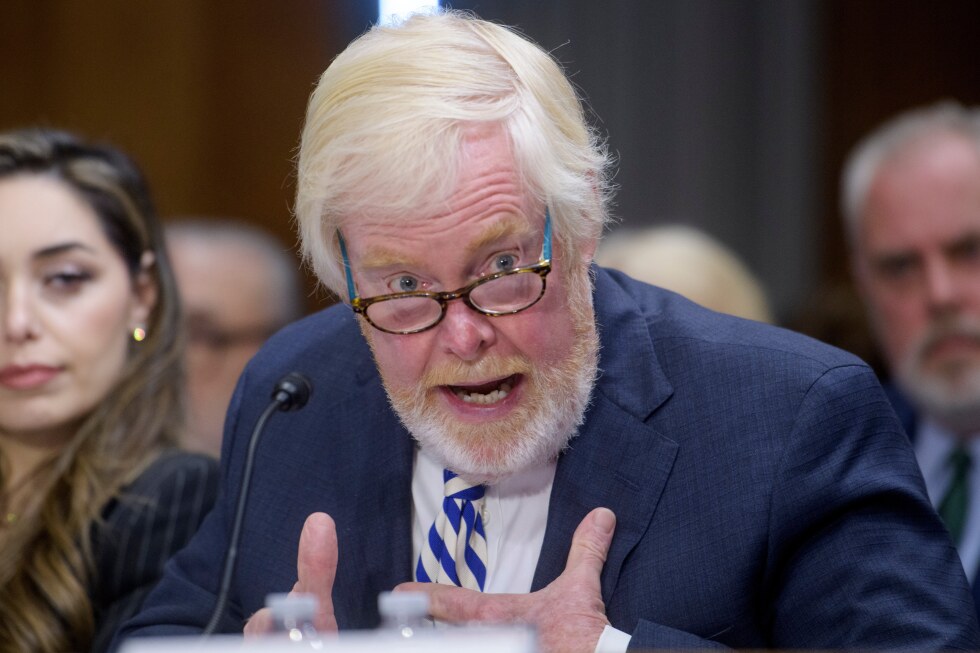
JOHANNESBURG (AP) — South Africa’s Foreign Ministry has formally summoned U.S. Ambassador Leo Brent Bozell III to account for his undiplomatic remarks, signaling a severe deterioration in bilateral relations between the former allies. The diplomatic confrontation represents the most strained period in U.S.-South African relations since the end of apartheid in 1994.
Foreign Minister Ronald Lamola confirmed Wednesday that Ambassador Bozell, appointed by the Trump administration, was called to explain his controversial statements made during a business leaders’ meeting in Pretoria. The ambassador had openly criticized South Africa’s affirmative action policies designed to address historical racial inequalities, comparing them to apartheid-era race laws. He additionally questioned South Africa’s diplomatic relationship with Iran and advocated for changes to land expropriation laws.
“While South Africa welcomes active public diplomacy and the strengthening of bilateral ties,” Lamola stated at a press conference, “we emphasize that such engagements must remain consistent with established diplomatic etiquette and international protocols.”
According to Foreign Ministry director-general Zane Dangor, Ambassador Bozell met with South African officials on Tuesday and subsequently “apologized and expressed regret” for his comments. The ambassador later walked back one particularly contentious statement regarding a South African court ruling on an apartheid-era chant, clarifying on social media that his personal views didn’t represent official U.S. government policy.
The current diplomatic rift follows years of escalating tensions since President Trump’s return to office. The Trump administration has repeatedly characterized South Africa’s foreign policy as anti-American and its domestic policies as anti-white, including baseless claims about targeted violence against white farmers that even conservative Afrikaner groups have disputed.
The administration has taken unprecedented measures against its largest African trading partner, including expelling South Africa’s ambassador to Washington last year and excluding the nation from Group of 20 meetings hosted in the U.S. this year. This confrontation highlights the profound ideological divide between the Trump administration and South Africa’s Black-led government regarding racial justice, international alliances, and judicial sovereignty.