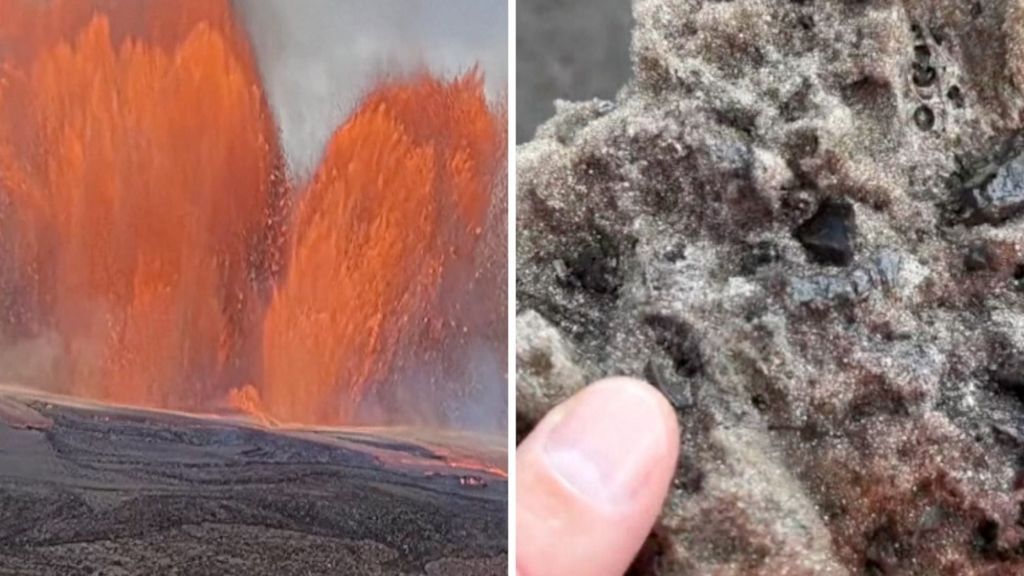
Hawaii’s Kilauea volcano, one of the world’s most active volcanic systems, has commenced a significant eruption phase, discharging substantial volumes of volcanic material into surrounding communities. The explosive event propelled a hazardous mixture of fine ash, porous pumice, and sharp volcanic glass fragments across residential areas, creating potentially dangerous conditions for inhabitants and infrastructure.
The volcanic activity necessitated immediate emergency measures, including the closure of major transportation arteries to ensure public safety. Authorities implemented mandatory evacuation protocols for tourists and residents in vulnerable zones, prioritizing human safety above all considerations. The eruption’s intensity demonstrates the unpredictable nature of volcanic systems, particularly Kilauea’s dynamic geological behavior.
Volcanologists continue to monitor the situation closely, analyzing seismic data and gas emissions to predict potential developments in the volcanic activity. The current eruption episode serves as a stark reminder of the powerful geological forces continuously shaping Hawaii’s landscape and the ongoing challenges of coexisting with active volcanoes.