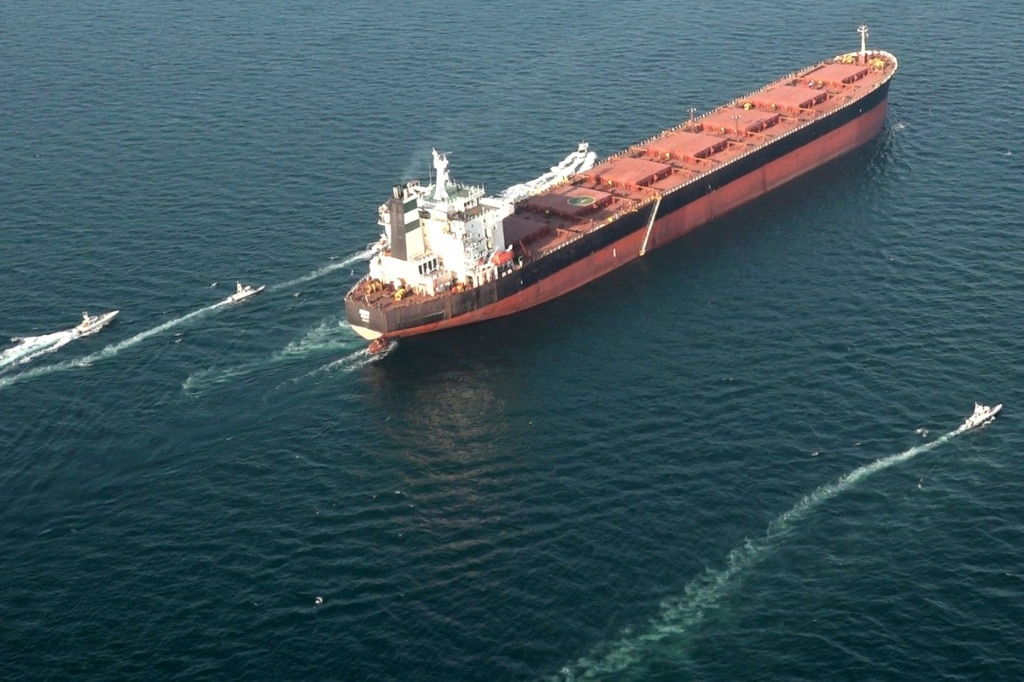
Amid escalating Middle East conflicts, Iran’s Kharg Island has emerged as a critical strategic vulnerability. This scrub-covered landmass situated approximately 30 kilometers off Iran’s coast processes approximately 90% of the nation’s crude oil exports through its terminal facilities. Recent reports indicate U.S. officials have contemplated seizing this vital infrastructure as regional hostilities persist.
Analysts from JP Morgan emphasize that any military action against Kharg Island would immediately halt the majority of Iran’s petroleum exports, potentially triggering severe retaliatory measures. Such escalation could significantly impact maritime traffic through the Strait of Hormuz, where approximately one-fifth of global crude oil and liquefied natural gas typically transit.
Despite Iran’s development of alternative export capabilities, including the 2021 inauguration of the Jask terminal outside the Strait of Hormuz chokepoint, Kharg remains economically indispensable. The facility represents a cornerstone of Iran’s economy and generates substantial revenue for the Iranian Revolutionary Guard.
Military experts caution that operations against the island would present extraordinary challenges. Farzin Nadimi, senior fellow at the Washington Institute for Near East Policy, characterizes potential seizure attempts as “very risky,” noting Iran’s extensive wartime experience with alternative distribution methods and capacity for rapid counter-escalation against regional energy infrastructure.
The historical context reveals Kharg Island’s strategic significance has been discussed in Washington since the 1979 hostage crisis. While some political figures advocate for targeting Iran’s energy sector to cripple its economy, most analysts consider large-scale military operations against the island’s extensive network of pipelines, storage tanks, and loading facilities as logistically formidable and strategically perilous.