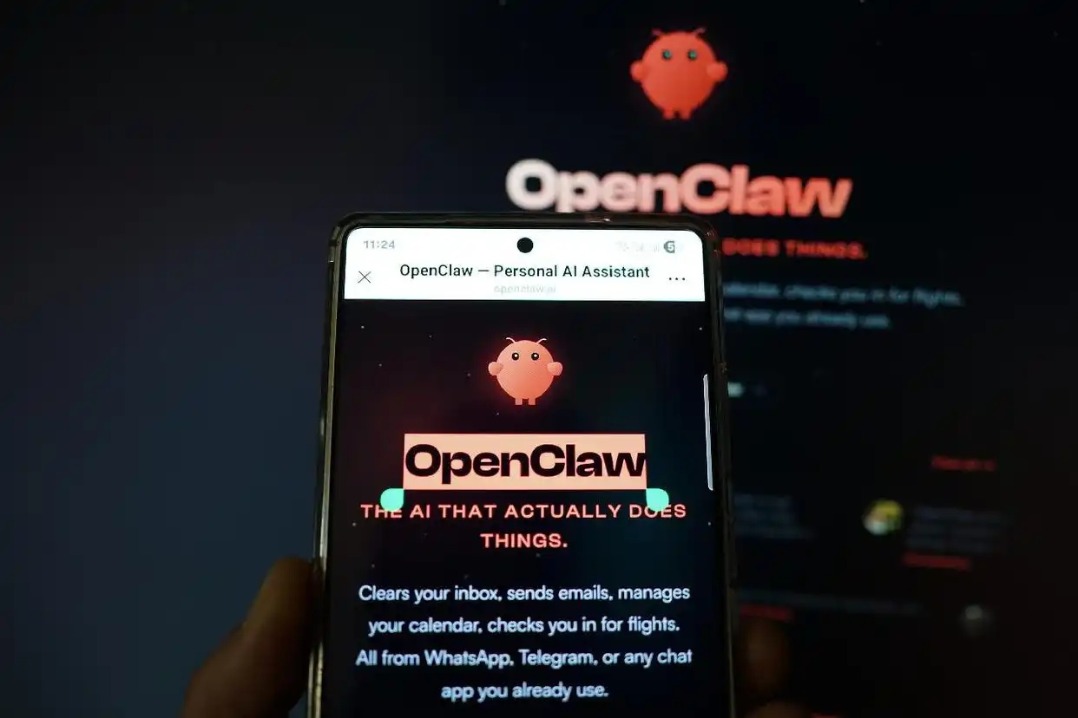
The Futian district government in Shenzhen has launched a groundbreaking artificial intelligence platform designed to significantly enhance administrative efficiency. The newly unveiled AI Digital Employee 2.0 represents an advanced iteration of the district’s automated governance system, featuring the open-source agent OpenClaw that enables sophisticated task decomposition, intelligent process scheduling, and autonomous decision-making capabilities.
Developed by Shenzhen Aquaintelling Technology, the platform’s core architecture was open-sourced on GitHub in mid-January, making it accessible to the global developer community. According to Chief Scientist Xiao Yanghua, the system’s streamlined design utilizes just nine core tools to maximize security and operational control while maintaining robust functionality.
The platform demonstrates remarkable self-learning capabilities that enable exponential growth in performance, including self-correction mechanisms and long-term memory retention. Its one-click deployment feature allows for rapid implementation across government departments without requiring extensive technical expertise. Through continuous use, the system becomes increasingly intuitive and adaptable to new administrative scenarios, eliminating the need for repeated development cycles.
A practical implementation at the district’s Center for Rapid Response to Public Opinions demonstrates the system’s transformative impact. Previously, government employees manually sorted through countless work orders—a process requiring two weeks to a month for each public welfare sector. The AI system now accomplishes this through a single command, analyzing historical data, identifying citizen demands, tracing problem origins, and suggesting actionable improvements by comparing best practices across major Chinese cities.
The platform operates within the government’s secure external network, leveraging existing cloud security infrastructure. In compliance with 2024 regulations governing government auxiliary intelligent robots, designated personnel oversee system operations to ensure safety and verify results. Additional rules implemented in September 2024 require each department to assign specific staff members to monitor system usage, maintaining operational security and control throughout the AI implementation process.