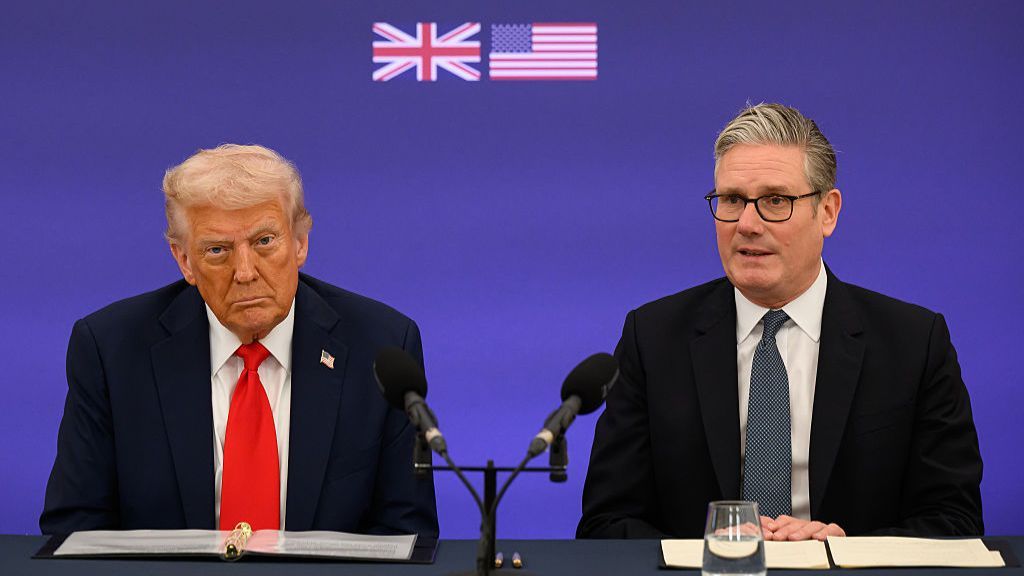
A significant diplomatic rift has emerged between the United States and the United Kingdom regarding military strategy in the Middle East. Former US President Donald Trump publicly declared that American forces do not require British aircraft carriers, directly criticizing Prime Minister Sir Keir Starmer’s leadership. The controversy stems from the UK’s initial refusal to permit US use of British bases for joint offensive operations with Israel against Iran, though London later approved defensive operations from RAF Fairford and Diego Garcia.
The British Ministry of Defence confirmed one of the nation’s two aircraft carriers had been placed on advanced readiness, with HMS Prince of Wales crew members instructed to prepare for potential deployment within five days. Meanwhile, HMS Queen Elizabeth remains non-operational for the foreseeable future. The UK government has emphasized its commitment to protecting national interests while avoiding direct involvement in offensive campaigns, deploying HMS Dragon to bolster security around Cyprus’s Akrotiri base following drone attacks.
Trump’s criticism extended beyond military logistics to personal remarks about Starmer’s leadership, comparing him unfavorably to Winston Churchill and accusing him of political timidity. The former president characterized UK involvement as belated, stating allies should have supported initial strikes rather than joining ‘after we’ve already won.’ Despite these tensions, Starmer maintains the special relationship remains intact, highlighting continuous intelligence sharing between the nations.
The situation represents a notable deterioration in what Starmer previously touted as one of his premiership’s key diplomatic achievements. The conflict has drawn commentary from across the political spectrum, with Conservative leader Kemi Badenoch accusing the government of indecision and former Prime Minister Tony Blair emphasizing the enduring importance of the US-UK alliance regardless of presidential administration.