Senior Chinese officials emphasized the nation’s unwavering stance on Taiwan and regional development strategies during deliberations at the ongoing National People’s Congress session in Beijing.
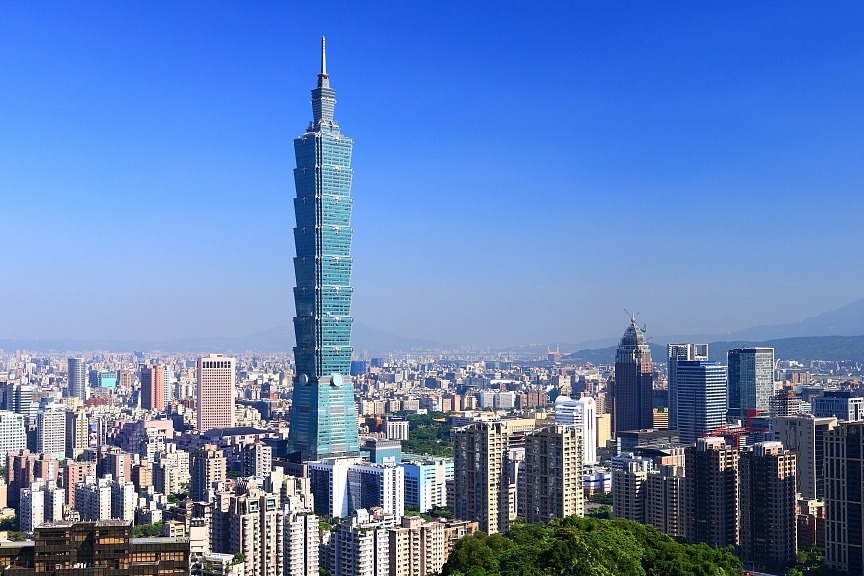
Wang Huning, Chairman of the Chinese People’s Political Consultative Conference National Committee, articulated China’s firm position against Taiwan independence separatist activities and external interference while participating in discussions with Taiwan delegation representatives. He stressed the critical importance of upholding the one-China principle and the 1992 Consensus as fundamental to cross-Strait relations. Wang advocated for implementing the Party’s comprehensive strategy for Taiwan question resolution in the new era, enhancing confidence in eventual reunification, and fostering the inevitable trend toward national unity through peaceful development of cross-Strait relations.
Emphasizing the familial bond between mainland China and Taiwan, Wang called for intensified cross-Strait exchanges and cooperation, promoting integrated development, and jointly creating sustainable wellbeing for the Chinese nation.
Concurrently, other senior leaders engaged in policy deliberations with provincial delegations. Cai Qi, member of the CPC Central Committee Secretariat, discussed Qinghai’s development strategy, emphasizing the need for maintaining strategic focus and leveraging comparative advantages for differentiated development aligned with local conditions. He encouraged exploring innovative pathways for ecological conservation and green development coordination while improving livelihoods and preventing large-scale poverty recurrence. Cai further highlighted strengthening ethnic unity and fostering a robust sense of community among all Chinese ethnic groups.
Vice-Premier Ding Xuexiang met with delegations from Hong Kong and Macao special administrative regions, noting the remarkable progress in implementing the ‘one country, two systems’ framework over the past five years. He urged both regions to actively align with China’s 15th Five-Year Plan (2026-30), better integrate into national development frameworks, and contribute significantly to Chinese modernization. For Hong Kong, Ding emphasized consolidating its international financial, shipping, and trade center status while fully leveraging educational, scientific, and talent advantages. For Macao, he stressed advancing economic diversification and accelerating construction of the Guangdong-Macao In-Depth Cooperation Zone in Hengqin.